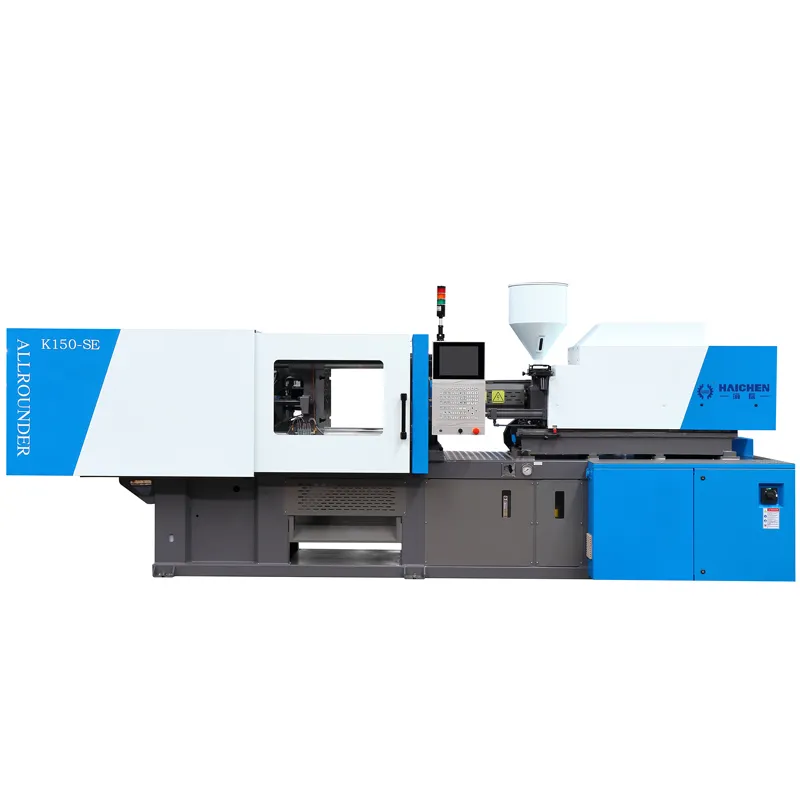
The materials used in plastic stool injection molding machine are mainly Polypropylene (PP), High-density polyethylene (HDPE) and recycled plastic granules.
Polypropylene (PP) stool material: offers good flowability and fast cooling. It works well for standard stools in homes and commercial settings. PP stools are lightweight and resist cracking under repeated stress. Cycle times are short at 40-50 seconds per part.
Stool material of High-density polyethylene (HDPE): provides better strength and weather resistance. Manufacturers choose HDPE for garden stools and heavy-duty outdoor furniture. HDPE resists UV degradation and temperature changes. The material performs well in direct sunlight and rain exposure.
Recycled materials: they are becoming more common because they lower production costs by 20-40%. Many plastic stool makers now use post-industrial or post-consumer recycled PP and HDPE. Recycled PP can achieve tensile strength of 18 MPa or higher, meeting most stools requirements.
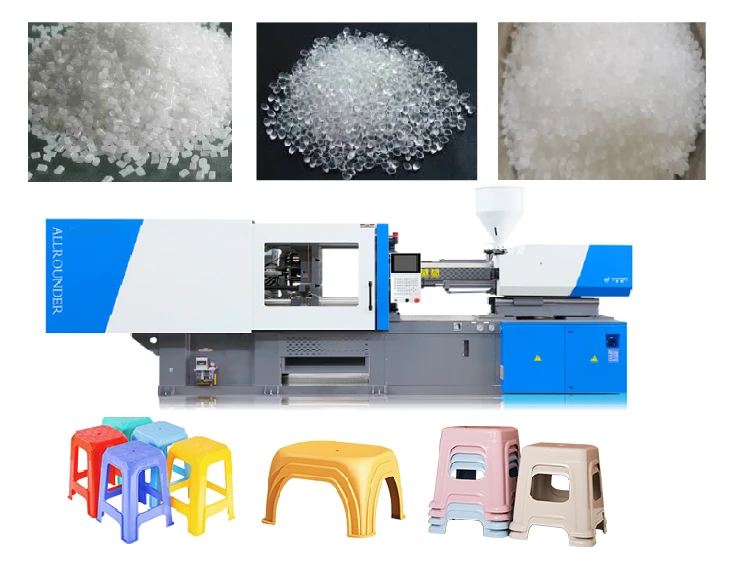
The different materials affect the plastic stool’s strength, appearance, and cost. PP offers good impact resistance and lightweight properties, making it the standard for household and commercial stools . HDPE provides better weather resistance for outdoor applications . Many manufacturers also use recycled plastic or blended materials to reduce costs and meet eco-friendly requirements.
So, selecting the right materials for plastic stool injection molding machine is very important. It directly determines the stool’s load-bearing capacity and service life. For example, like plastic folding foot stool, plastic folding step stool, plastic foot stool, plastic folding stool, plastic stool chair and plastic bar stool. While, at the same time, it also affects production efficiency and costs. Improper material selection may lead to warping, cracking, or premature aging of the product. This results in significant economic losses and low production cycle efficiency. Choose the right plastic stool injection molding machine materials is the first step of design of plastic stool injection molding machine.
PP for Standard Plastic Stool Injection Molding Materials
-
PP material properties
-
Benefits for stool production
-
Processing requirements
Plastic material properties-PP
Polypropylene (PP) is semi-crystalline and lightweight. Its density ranges from 0.89 to 0.91 g/cm³. The melt flow index for stool applications is typically 8-20 g/10min. This ensures good filling in large molds. The material does not absorb much moisture, so pre-drying is often unnecessary.
Advantatges for plastic stool injection molding
PP stools resist cracking under repeated stress. The material also handles temperatures from 0°C to 80°C. For this reason, PP works well for indoor and general-purpose stools. Cycle times are short because PP cools quickly. A standard stool weighing 900g can have a 40-second cycle.
Processing requirements
PP melts at 200-230°C. The injection pressure needed is moderate. Cooling time is relatively short, so cycle times stay low. Haichen HCK series machines provide precise temperature control for consistent PP processing manufacturing of plastic stool.
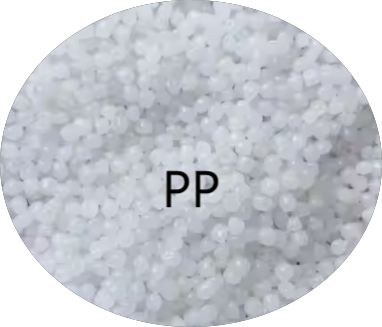
HDPE for Heavy-Duty Outdoor Plastic Stools Injection Molding Materials
-
HDPE strength characteristics
-
Weather resistance advantages
-
Processing considerations
Stool Materials-HDPE strength characteristics
The high-density polyethylene (HDPE) has high tensile strength and excellent impact resistance even at low temperatures. The material density ranges from 0.94 to 0.96 g/cm³. Products made from HDPE last longer under rough use and direct sunlight.
Weather resistance advantages
The HDPE resists UV degradation better than PP. This makes it suitable for garden stools and patio furniture. The material also resists chemicals and moisture. Outdoor stools often specify HDPE for long-term durability.
Injection Molding Material Processing considerations
HDPE requires a melt temperature of 230-260°C. The material shrinks more than PP, so mold design must account for this. Cooling time is longer, but the final product is more durable. A 700-800 ton machine is typical for single-cavity HDPE stool molds.
Recycled Materials for Plastic Stools Injection Molding Material
-
Types of recycled resins
-
Equipment adjustments needed
-
Quality considerations
Types of recycled resins
Post-industrial scrap is cleaner and more consistent. Post-consumer recycled material costs less but may contain contaminants. Common sources include packaging waste and industrial offcuts. Recycled PP pellets can achieve tensile strength of 18 MPa or higher.
Equipment adjustments needed
Recycled materials often contain fillers or impurities. A bi-metallic screw and barrel resist wear from these contaminants. Melt filtration systems also help remove particles before injection. Some modifiers add toughening agents to improve impact resistance.
Plastic Stool Injection Molding Material Quality considerations
Recycled resins have lower melt flow consistency. This can affect fill time and part strength. Mixing recycled material with virgin resin improves stability. A ratio of 30% recycled to 70% virgin often works well for stools.
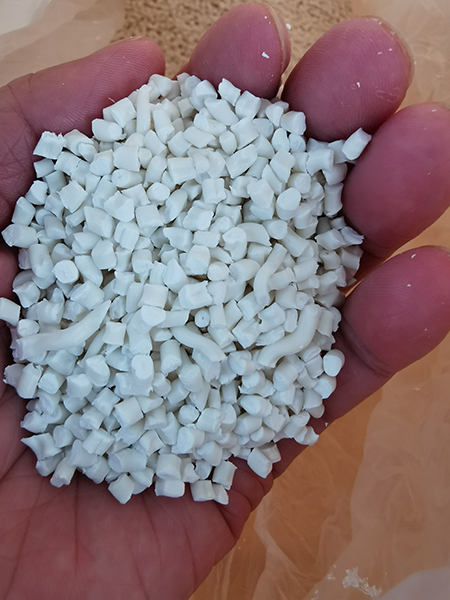
How plastic stool materials Affect stools injection Molding
-
Material decides stool strength
-
Material decides production speed
-
Material affects total cost
| Material Feature | PP Material Stool | HDPE Material Stool |
|---|---|---|
| Durability | Rigid and lightweight | Toughness and impact resistance |
| Weather Resistance | Moderate | Excellent UV resistance |
| Weight | Lighter | Denser and heavier |
| Cost | Moderate | Higher |
Stool Materials decides stool strength
Different plastics give different strength levels. PP provides good impact resistance for standard stools. HDPE offers higher strength for heavy loads and outdoor use. The wrong material can make stools crack or break under normal use. So matching material to the plastic stool’s job is very important for product quality. Like designing a plastic stool injection molding machine and how to choose plastic stool injection molding machine?
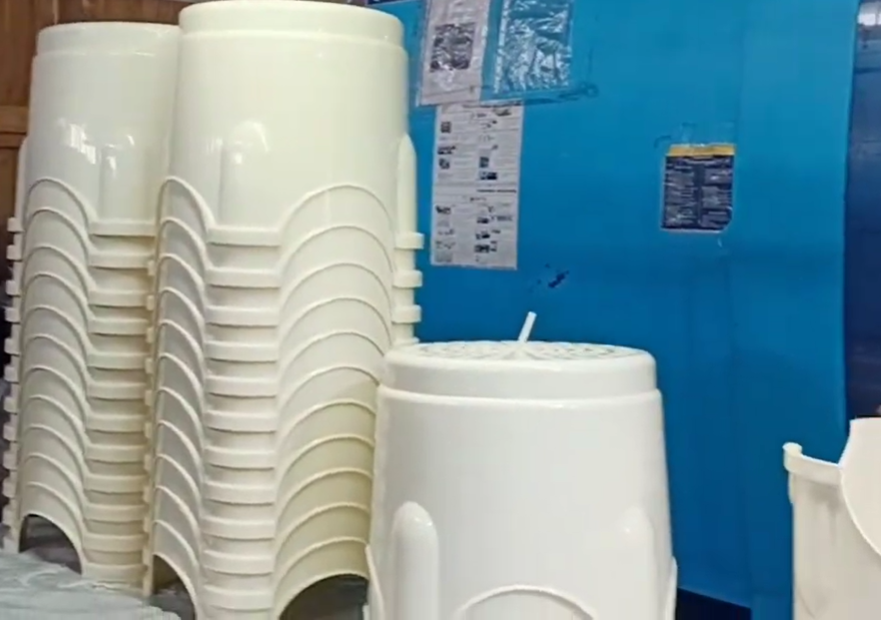
Plastic Material decides production speed
Each material needs specific temperature and pressure settings. PP melts fast and cools quickly, so cycle times stay short at 40-50 seconds. HDPE needs longer cooling time, so production per hour is slower. Recycled materials can have uneven flow, and this may cause longer injection times. Choosing the right material helps you reach your target daily output.
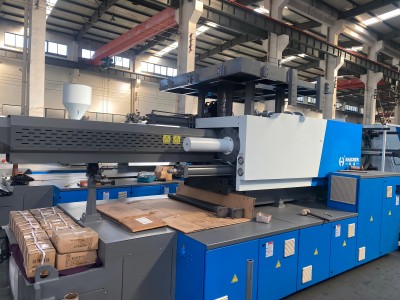
The Material affects total cost
Virgin PP and HDPE cost more per kilogram. Recycled materials cost 20-40% less. But recycled material may cause more machine wear. This leads to higher maintenance costs over time. The best choice balances raw material price, production efficiency, and machine life. As we shared in our materials article, Haichen helps customers find this balance.
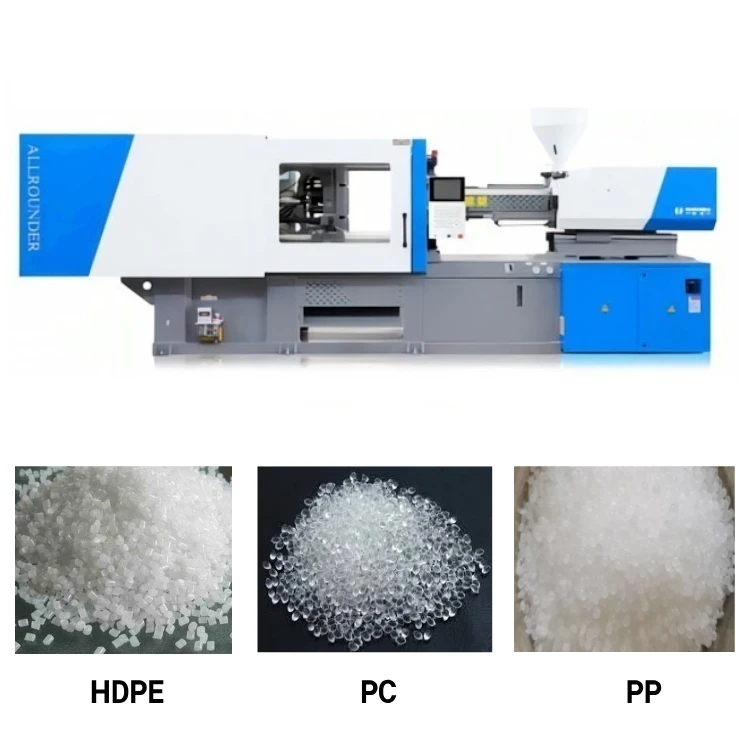
How Haichen Machinery Optimizes plastic Stool Material Injection Molding Processing
-
Custom screw designs for each material
-
Real customer production examples
-
Technical support for material selection
How to choose plastic stool injection molding machine?
Haichen Machinery has over ten years of experience in plastic stool injection molding. Our stool making machines match specific material requirements. Our technical team helps customers choose the right resin for their application.
Custom screw designs for each material
PP needs a general-purpose screw with standard compression ratio.
HDPE requires a barrier screw with deeper flights for better melting.
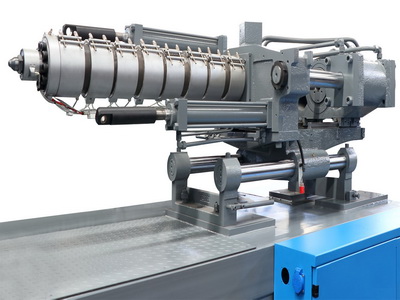
Recycled materials work best with a bi-metallic screw that resists abrasion.
Real customer production examples
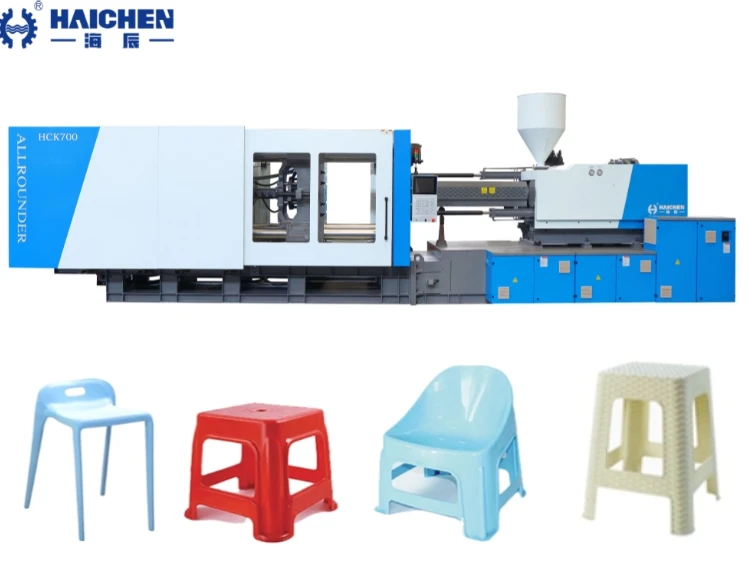
A stool manufacturer in Southeast Asia uses Haichen HCK 450 with PP material. Each stool weighs 900g. Cycle time is 40 seconds per part. Production is about 750 stools per 20-hour day.
An outdoor stool producer runs Haichen HCK 600 with HDPE. Each stool weighs 1.8kg. Cycle time is 55 seconds.
A furniture maker uses recycled PP on Haichen HCK 500. Each stool weighs 1.2kg. Cycle time is 48 seconds.
Technical support for material selection
Haichen offers free material consulting. We analyze your product requirements and recommend the best resin. Our team also suggests machine settings for each material type.
And advise our customer which manufacturing process is used to produce plastic stool?
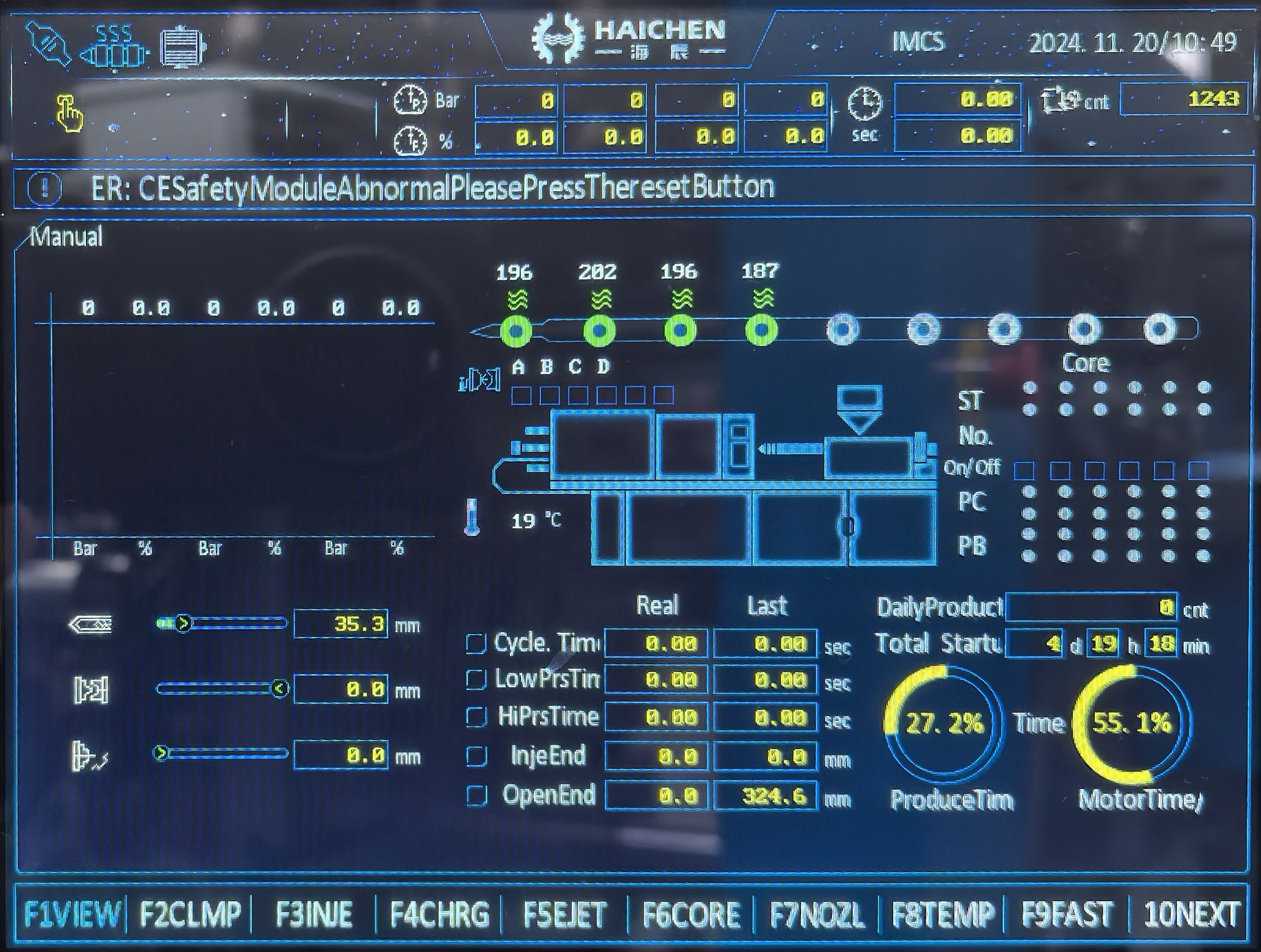
As per your specific plastic stools production demand, we will and can supply plastic stool injection molding production line
If you need to know more about plastic stool manufacture production line, you may further check How to choose plastic stool injection molding machine? And know about the cost of plastic stool production line