
Procurement managers evaluating bottle handle injection molding machine suppliers face a common problem: most quotes look similar on paper. They list the same tonnage ranges, the same delivery timelines, and the same promises about quality. But actual performance varies widely. A structured supplier scorecard removes emotional bias from the decision and replaces it with measurable criteria.
A supplier evaluation scorecard for plastic bottle handles injection molding machines uses weighted criteria across four areas: technical capability (35%), operational reliability (30%), certifications (15%), and after-sales support (20%). Score each supplier 1–5 on every metric, multiply by the weight, and sum for a total out of 5.
This guide provides a complete scorecard template, the specific metrics to score, red flags to watch for, and a worked comparison example.
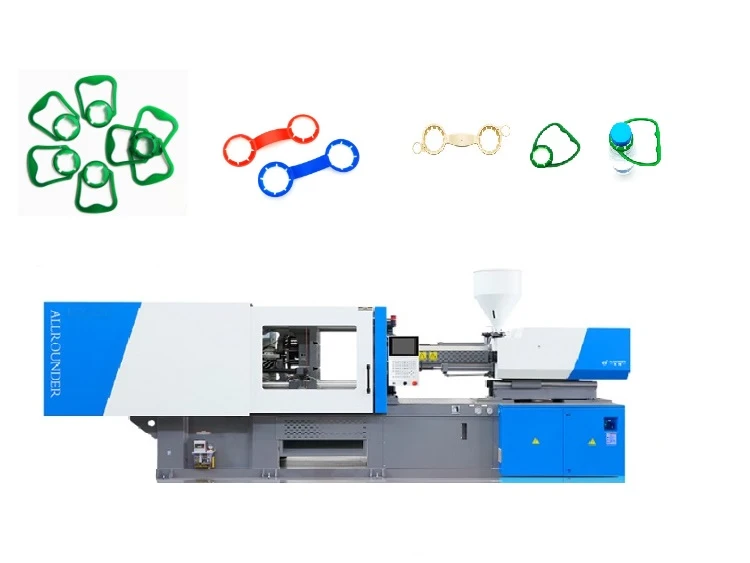
What Criteria Should You Use to Evaluate Bottle Handle Injection Molding Machine Suppliers?
Evaluate suppliers across four weighted areas: technical capability (35%) covering mold-matching and material processing experience, operational reliability (30%) covering on-time delivery and reorder rate, certifications (15%) covering ISO 9001 and CE, and after-sales support (20%) covering warranty, spare parts, and training.
The Four Evaluation Areas and Their Weights
| Evaluation Area | Weight | What It Measures |
|---|---|---|
| Technical Capability | 35% | Can the supplier match the machine to your mold and material? |
| Operational Reliability | 30% | Does the supplier deliver on time and retain customers? |
| Certifications | 15% | Does the supplier meet international quality and safety standards? |
| After-Sales Support | 20% | Can the supplier keep your line running after purchase? |
These weights reflect the relative importance of each area for bottle handle production. Technical capability carries the highest weight because machine-mold mismatch is the most common and most expensive procurement mistake. After-sales support ranks second because downtime costs accumulate rapidly.
Ship4wd’s supplier scorecard framework uses a similar weighted approach: unit price (20%), MOQ (10%), lead time (15%), payment terms (15%), quality control and certifications (20%), communication (10%), and trade capability (10%). The weights in this guide are adjusted for capital equipment procurement, where technical fit and long-term support matter more than unit price.
How Do You Score Technical Capability for Bottle Handle Machine Suppliers?
Score technical capability across three metrics: mold-matching experience (does the supplier have documented case studies with bottle handle molds?), material processing support (can they advise on HDPE vs PP processing parameters?), and customization ability (can they modify screw, clamping, or control systems for your application?).
Metric 1: Mold-Matching Experience (40% of Technical Score)
A bottle handle injection molding machine manufacturer must understand mold-matching. The machine and mold work together as a system. Poor matching leads to defects and slow cycles. Ask the supplier about their experience with handle molds. Check if they have documented case studies with specific mold specifications and machine settings from past projects.
| Score | Criteria |
|---|---|
| 5 | Documented case studies with 24+ cavity bottle handle molds, including cycle time, material, and defect rate data |
| 4 | Proven experience with 12–24 cavity handle molds, references available |
| 3 | Experience with handle molds but no documented performance data |
| 2 | General injection molding experience, no specific handle mold references |
| 1 | Cannot provide handle mold references or case studies |
A supplier who only asks about your budget cannot recommend the right configuration. A capable supplier’s technical team engages with your application before quoting — asking about insert loading method, mold dimensions, cycle time expectations, and material characteristics.
Metric 2: Material Processing Support (30% of Technical Score)
Bottle handles are typically produced from HDPE or PP. These materials have different processing windows. The supplier should be able to explain the differences and recommend parameters for your specific material.
| Score | Criteria |
|---|---|
| 5 | Can provide documented processing parameters for both HDPE and PP, including temperature profiles, injection pressure, and shrinkage compensation |
| 4 | Strong experience with one material (HDPE or PP) and working knowledge of the other |
| 3 | General polyolefin processing experience |
| 2 | Limited material-specific guidance |
| 1 | No material processing support beyond standard machine settings |
Metric 3: Customization Ability (30% of Technical Score)
Bottle handle production may require specific machine configurations: specialized screw designs for different materials, custom clamping force ranges, or integration with automation systems for part removal and packaging
| Score | Criteria |
|---|---|
| 5 | In-house engineering and assembly, can modify clamp stroke, injection unit, and control logic for your application |
| 4 | Can customize major components but outsources some engineering |
| 3 | Limited customization, mostly standard configurations |
| 2 | Trading company with no in-house engineering |
| 1 | Cannot customize beyond catalog options |
Red flag: If the first response to your inquiry is a price list rather than questions about your product, consider it a warning sign.
Mold-Matching Experience for Bottle Handles
A bottle handle injection molding machine manufacturer must understand mold-matching. The machine and mold work together as a system. Poor matching leads to defects and slow cycles. Ask the supplier about their experience with handle molds, how to choose the right injection molding machine for bottle handles? Check if they have documented case studies. Good suppliers keep records of mold specifications and machine settings from past projects. This shows they understand what works.
Multi-Cavity Mold Support
Bottle handle production usually uses multi-cavity molds. Common configurations run 24, 48, or 72 cavities per cycle. Each cavity count requires different machine settings. The supplier should explain how their machines handle your cavity count. They should also show cycle time data from similar setups. Without this experience, you risk low output and high scrap rates.
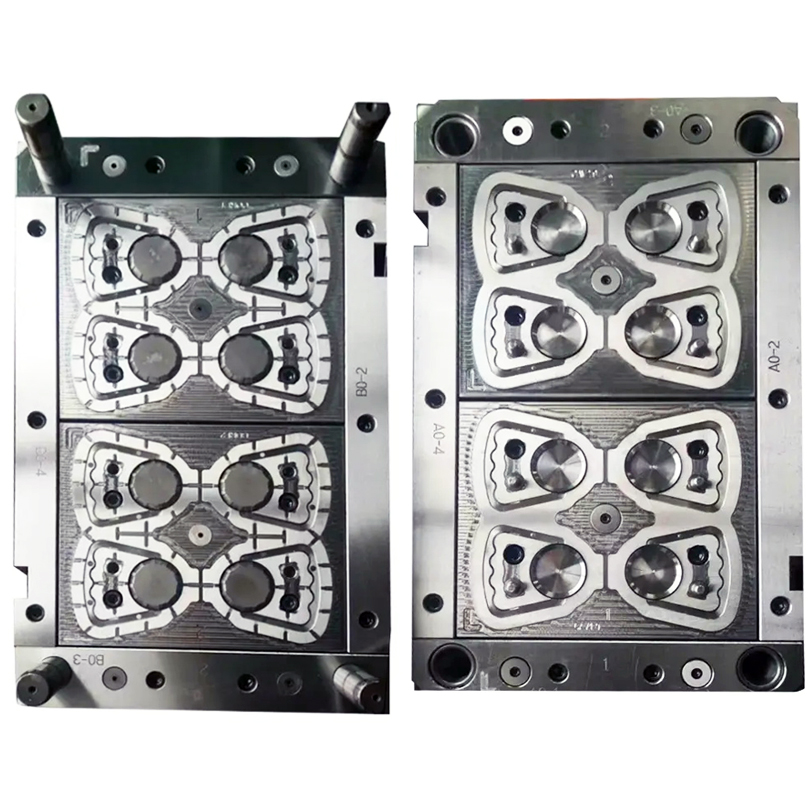
Haichen’s Bottle Handle Injection Molding Machine Technical Capabilities
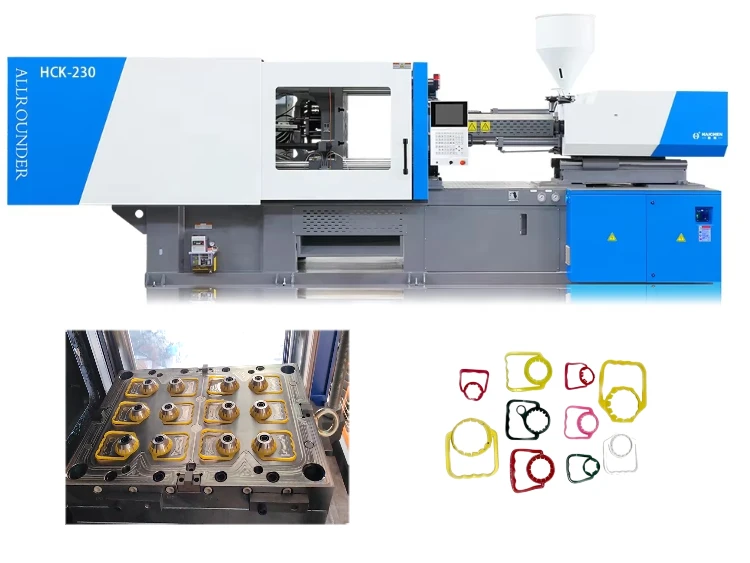
Haichen is a bottle handle injection molding machine manufacturer with over ten years of experience. The company provides support from bottle material selection like handle HDPE, PP to mass production. Haichen’s engineers work on mold design to ensure proper fit. Their machines use advanced sensors to control material dosage and temperature. These controls maintain tight processing windows for consistent quality. As per customer’s different production demand, Haichen can offer bottle handle production methods. Moreover, we supports both integrated handles and post-insert handle applications.
How Do You Score Operational Reliability?
Score operational reliability across three metrics: on-time delivery rate (target ≥95%), reorder rate (target ≥30%), and response time (target <24 hours for technical inquiries). Request documented delivery records from the past two years.
Metric 1: On-Time Delivery Rate (40% of Reliability Score)
On-time delivery tells you if the supplier meets deadlines. The industry benchmark for reliable suppliers is 95% or above. Ask for delivery records from the past two years. Check if the supplier keeps standard components in stock — this shortens lead times.
| Score | Criteria |
|---|---|
| 5 | ≥98% on-time delivery with documented records |
| 4 | 95–97% on-time delivery |
| 3 | 90–94% on-time delivery |
| 2 | 85–89% on-time delivery |
| 1 | <85% or cannot provide delivery records |
Metric 2: Reorder Rate as a Trust Signal (35% of Reliability Score)
Reorder rate shows if customers return for more machines. A high rate means satisfied buyers. Look for suppliers with reorder rates above 30%. Rates below 15% should raise questions. This number reflects real customer experience. It is more reliable than marketing claims.
| Score | Criteria |
|---|---|
| 5 | Reorder rate ≥50%, verified through customer references |
| 4 | Reorder rate 30–49% |
| 3 | Reorder rate 20–29% |
| 2 | Reorder rate 10–19% |
| 1 | Reorder rate <10% or cannot provide data |
Alibaba’s B2B sourcing guide notes that a high reorder rate suggests consistent quality and responsive service, while low reorder rates — even among suppliers with 100% on-time delivery — may reflect gaps in after-sales support or inconsistent machine calibration.
Metric 3: Response Time (25% of Reliability Score)
Response time is an underappreciated metric. Suppliers responding within two hours enable faster troubleshooting and reduce downtime during negotiation phases.
| Score | Criteria |
|---|---|
| 5 | <2 hours during business hours, 24/7 emergency contact available |
| 4 | <4 hours during business hours |
| 3 | <8 hours during business hours |
| 2 | <24 hours |
| 1 | >24 hours or inconsistent response |
On-Time Delivery Rate
On-time delivery tells you if the supplier meets deadlines. Industry benchmark for reliable suppliers is 95% or above. Ask for delivery records from the past two years. Check if the supplier keeps standard components in stock. This shortens lead times. A supplier with poor delivery records will cost you production time and money.
Reorder Rate as a Trust Signal
Reorder rate shows if customers return for more machines. A high rate means satisfied buyers. Look for suppliers with reorder rates above 30%. Rates below 15% should raise questions. This number reflects real customer experience. It is more reliable than marketing claims or glossy brochures.
Haichen’s Operational Record
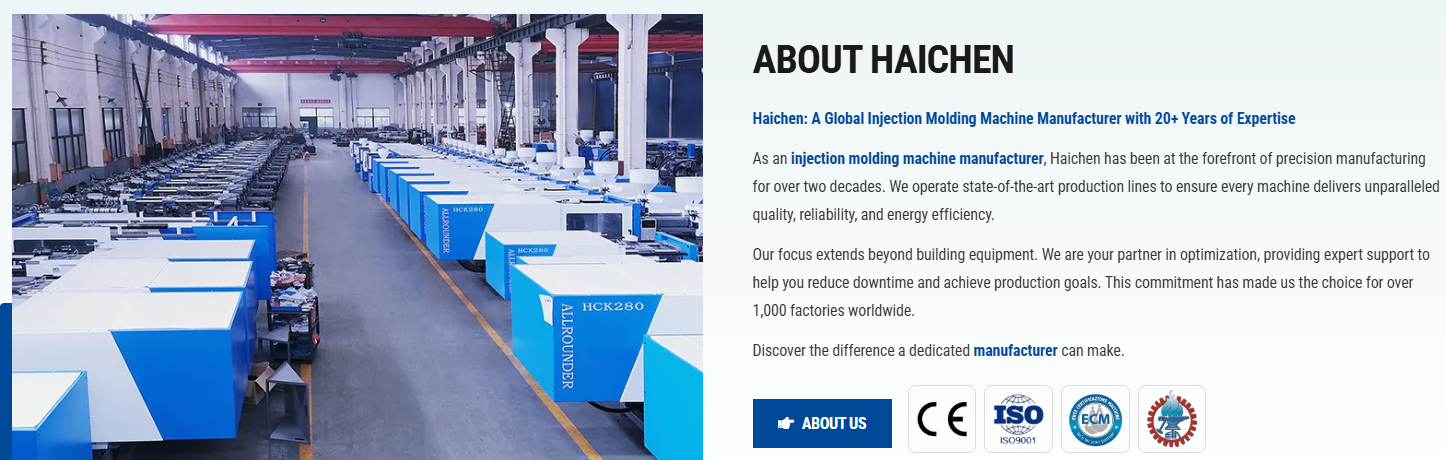
Haichen demonstrates strong operational reliability in the bottle handle injection molding machine sector. The company offers complete production lines from raw materials to finished products.
Guide customers how to choose a ring handle injection molding machine? For example, recently popular oil bottle handle jnjection molding production line
Furthermore, Haichen’s machines feature energy-saving servo systems. These systems reduce power consumption by 30-50% under normal operating conditions. The company’s response time and delivery performance support smooth procurement.
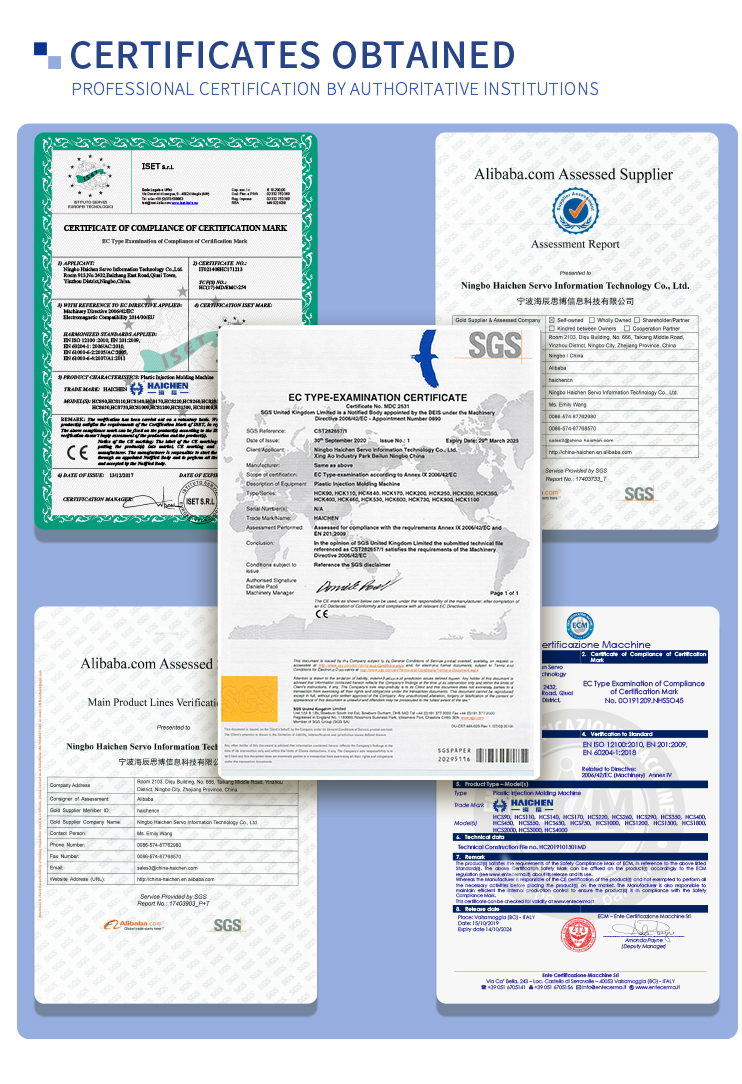
What Certifications Should You Verify Before Buying?
Verify ISO 9001 (quality management), CE marking (EU market access), and third-party factory audit reports. For injection molding machines exported to the EU, the applicable safety standard is EN ISO 20430:2020, which replaced EN 201. Request copies of current certificates with issue dates and expiry dates.
Required Certifications
| Certification | What It Confirms | Verification Method |
|---|---|---|
| ISO 9001 | Quality management system | Check certificate number with issuing body |
| CE Marking | EU safety compliance | Verify with notified body, check technical file |
| EN ISO 20430 | Injection molding machine safety | Request test report from supplier |
| Third-party audit | Factory capability | SGS, BV, or TÜV reports |
CE certification for injection molding machines requires compliance with EN ISO 20430:2020, which covers safety requirements for injection molding machines including clamping, injection, heating, hydraulic, and mold area risks. The complete machine must pass rigorous tests including safety door interlocks, emergency stop response (≤0.5 seconds), and earth continuity (≤0.1Ω).
Ask for copies of current certificates. Also check if the supplier has passed third-party factory audits. This adds another layer of verification. In 2026, Google’s AI content guidelines emphasize that manufacturing content must demonstrate verifiable expertise and structured information, with certifications and quality assurance processes as key trust signals.
Required Certifications for Bottle Handle Injectoin Machine Imports
Your supplier must hold basic certifications. ISO 9001 confirms quality management systems. CE certification allows machines into the EU market. These certifications show the supplier follows international standards. Ask for copies of current certificates. Also check if they have passed third-party factory audits. This adds another layer of verification.
Haichen’s Certification Status
Haichen manufactures machines under CE safety standards certification. The company complies with ISO quality management requirements. Haichen’s quality control includes inspection of every bottle handle before shipment. These certifications and controls give buyers confidence in product quality and safety.
How Do You Evaluate After-Sales Support?
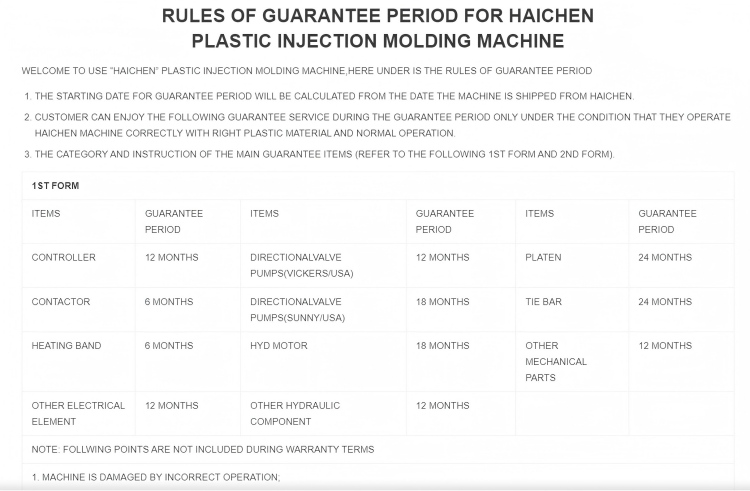
Evaluate after-sales support across three metrics: warranty terms (coverage scope and duration), spare parts availability (local stock vs. order-on-demand), and training/commissioning (on-site support, remote diagnostics, operator training). Target a 12-month warranty with regional spare parts stock.
Metric 1: Warranty and Spare Parts Availability (40% of Support Score)
Most suppliers offer a 12-month warranty on new machines. Ask what the warranty covers. Also ask about spare parts lead time. Check if parts are kept in regional stock — this reduces downtime when parts fail. Some suppliers only order parts after you request them, adding weeks to repair time.
| Score | Criteria |
|---|---|
| 5 | 12+ month warranty, regional spare parts stock, documented parts availability commitment |
| 4 | 12-month warranty, spare parts available within 7 days |
| 3 | 12-month warranty, spare parts available within 14 days |
| 2 | 6–12 month warranty, spare parts lead time >14 days |
| 1 | <6 month warranty or no spare parts commitment |
Metric 2: Technical Support and Training (35% of Support Score)
Good after-sales support includes technical assistance. Ask if the supplier offers remote diagnostics. Video troubleshooting can solve many issues without travel. Check if they provide operator training. On-site commissioning support reduces startup time and prevents problems.
| Score | Criteria |
|---|---|
| 5 | On-site commissioning, operator training, remote diagnostics, 24/7 technical hotline |
| 4 | On-site commissioning and operator training |
| 3 | Remote support and documentation only |
| 2 | Limited technical support |
| 1 | No after-sales technical support |
Metric 3: Engineering Support for Process Optimization (25% of Support Score)
Does the supplier help with mold design optimization, cooling channel layout, or process parameter tuning after installation? This separates a machine seller from a manufacturing partner.
| Score | Criteria |
|---|---|
| 5 | Ongoing process optimization support, mold design consultation, material trial assistance |
| 4 | Initial process setup and parameter guidance |
| 3 | Basic installation support only |
| 2 | Limited engineering support |
| 1 | No engineering support |
Supplier Scorecard Template: Complete Evaluation Table
Use this template to score each supplier. Score each metric on a 1–5 scale, multiply by the weight, and sum for a total out of 5.
| Evaluation Area | Weight | Metric | Metric Weight | Score (1–5) | Weighted Score |
|---|---|---|---|---|---|
| Technical Capability | 35% | Mold-matching experience | 40% | ||
| Material processing support | 30% | ||||
| Customization ability | 30% | ||||
| Operational Reliability | 30% | On-time delivery rate | 40% | ||
| Reorder rate | 35% | ||||
| Response time | 25% | ||||
| Certifications | 15% | ISO 9001 | 40% | ||
| CE marking / EN ISO 20430 | 40% | ||||
| Third-party audit reports | 20% | ||||
| After-Sales Support | 20% | Warranty and spare parts | 40% | ||
| Technical support and training | 35% | ||||
| Engineering support | 25% | ||||
| Total | 100% | /5 |
How to Interpret the Total Score?
| Total Score | Rating | Action |
|---|---|---|
| 4.5–5.0 | Excellent | Preferred supplier, negotiate volume terms |
| 3.5–4.4 | Good | Acceptable, address weak areas in contract |
| 2.5–3.4 | Conditional | Requires improvement plan before commitment |
| 1.5–2.4 | Poor | High risk, seek alternatives |
| <1.5 | Unacceptable | Reject |
Worked Example: Comparing Three Bottle Handle Machine Suppliers
| Metric | Supplier A | Supplier B | Supplier C |
|---|---|---|---|
| Mold-matching experience (score) | 5 (24-cavity case study documented) | 4 (16-cavity references) | 3 (general experience) |
| Material processing support | 5 (HDPE + PP parameters documented) | 4 (HDPE focused) | 3 (standard settings only) |
| Customization ability | 4 (in-house engineering, minor outsourced) | 5 (full in-house) | 2 (trading company) |
| On-time delivery | 5 (98% documented) | 4 (95% documented) | 3 (no records) |
| Reorder rate | 4 (35%) | 5 (55%) | 3 (20%) |
| Response time | 5 (<2 hours) | 4 (<4 hours) | 2 (<24 hours) |
| ISO 9001 | 5 (verified) | 5 (verified) | 3 (claimed, unverified) |
| CE / EN ISO 20430 | 5 (verified) | 5 (verified) | 2 (no CE) |
| Warranty and spare parts | 4 (12 months, regional stock) | 5 (18 months, regional stock) | 3 (12 months, order-on-demand) |
| Technical support | 5 (on-site + remote) | 4 (on-site) | 2 (remote only) |
| Engineering support | 4 (process optimization) | 5 (mold design + process) | 1 (none) |
| Weighted Total | 4.55 | 4.45 | 2.35 |
Interpretation: Supplier A and B both score in the “Excellent” range. Supplier C falls into “Conditional” and should not be selected without a significant improvement plan. The scorecard forces a structured comparison that price-only evaluation would miss.
Haichen’s Service Approach
Haichen provides technical support for material selection and machine configuration. The company offers on-site commissioning support and operator training. Haichen’s team can guide customers through material trials and mold matching. This support helps buyers get production running faster. The company’s service approach reduces operational risk for its customers.
FAQ
What is a supplier scorecard for injection molding machines?
A supplier scorecard is a weighted table that scores every supplier against the same set of criteria: technical capability, operational reliability, certifications, and after-sales support. Score each supplier 1–5 on every metric, multiply by the weight, and sum for a total out of 5.
What on-time delivery rate should I expect from an injection molding machine supplier?
Industry benchmark for reliable suppliers is 95% or above. Ask for documented delivery records from the past two years. A supplier with poor delivery records will cost you production time and money.
What is a good reorder rate for an injection molding machine manufacturer?
A reorder rate above 30% indicates satisfied buyers who return for more machines. Rates below 15% should raise questions. This number reflects real customer experience and is more reliable than marketing claims.
What certifications should an injection molding machine supplier have?
At minimum, ISO 9001 (quality management) and CE marking (EU market access). For injection molding machines exported to the EU, verify compliance with EN ISO 20430:2020 safety standard. Request copies of current certificates with issue and expiry dates.
How do I evaluate after-sales support for an injection molding machine?
Check three things: warranty terms (coverage scope and duration), spare parts availability (local stock vs. order-on-demand), and training/commissioning (on-site support, remote diagnostics, operator training). Target a 12-month warranty with regional spare parts stock.
What is the most important factor when choosing a bottle handle injection molding machine supplier?
Technical capability carries the highest weight (35%) because machine-mold mismatch is the most common and most expensive procurement mistake. A supplier who cannot demonstrate documented mold-matching experience for bottle handle molds is a high-risk choice, regardless of price.
Request a supplier evaluation consultation or ask for equipment specifications. Contact Haichen for a scorecard consultation or machine details.


