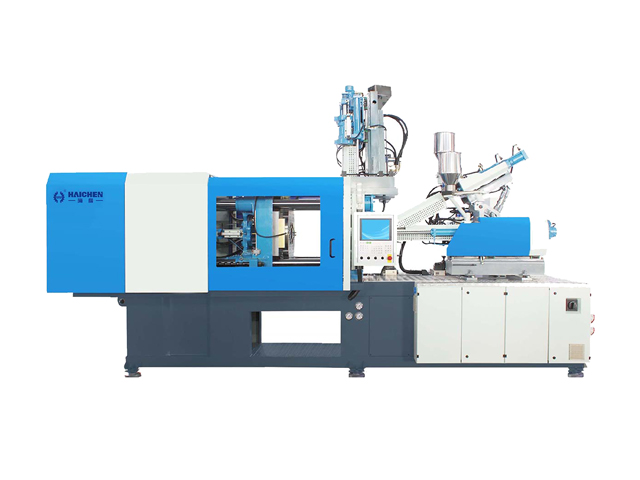
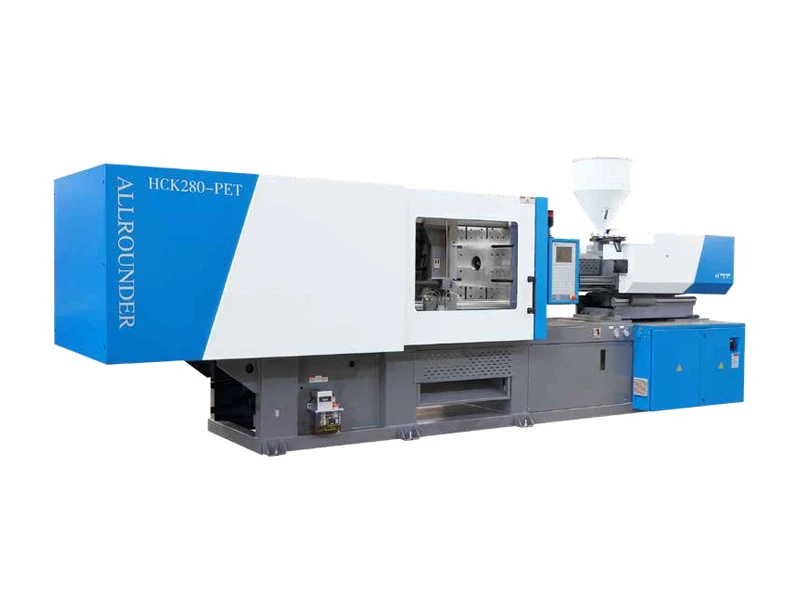
A PET preform injection molding machine supplier can provide more than a molding machine.
A complete solution may include a PET injection molding machine, custom preform molds, auxiliary equipment, machine-mold matching, and technical support.
At Haichen, we help customers evaluate these requirements based on preform specifications and production needs.
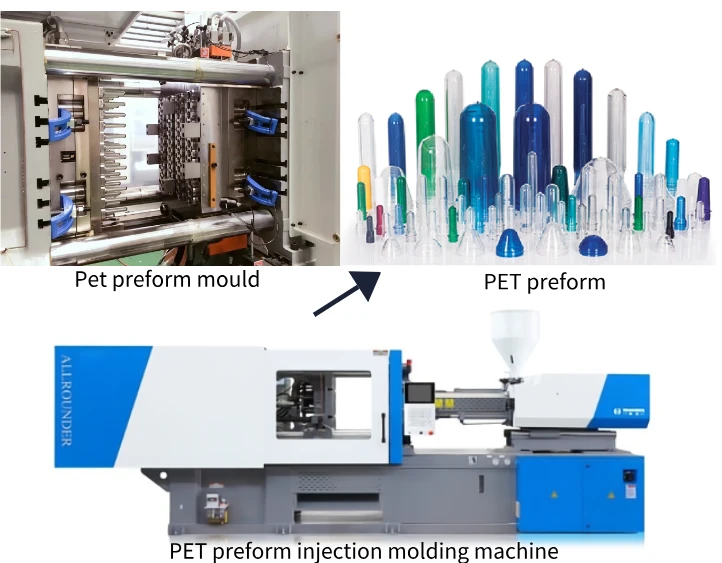
PET Preform Injection Molding Machines
The machine must match the preform weight, number of cavities, required output, and mold dimensions.
These factors affect the injection unit, clamping force, and production efficiency.
Before recommending a machine, we need to understand the product and production target.
A lightweight preform with many cavities may require a different configuration from a heavier preform with fewer cavities.
For example, Haichen has the following PET preform production references:
| Preform neck size | Preform weight | Cavities | Machine configuration | Cycle time |
|---|---|---|---|---|
| 28 mm | 12 g | 32 | HCK250 fast-injection | 14 s |
| 30 mm | 15 g | 24 | HCK250 standard | 20 s |
These figures are specific production references, not guaranteed results for every mold or material. Actual cycle time depends on the complete production setup.
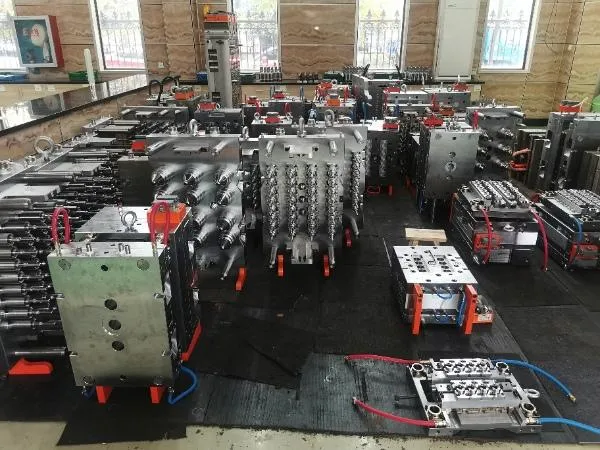
Custom PET Preform Molds
A suitable mold is essential for consistent preform quality.
Suppliers may help customers design and manufacture molds according to neck dimensions, preform weight, cavity number, and production requirements.
Important mold specifications include:
- Neck outer diameter and neck design
- Preform weight and body dimensions
- Number of cavities
- Hot runner system and gate type
- Mold base material and overall dimensions
Reference: 12-Cavity PET Preform Mold
The following specifications provide a reference for a valve-gated PET preform mold:
| Item | Specification |
|---|---|
| Neck outer diameter | 38 mm |
| Preform weight | 50–90 g |
| Material | PET |
| Number of cavities | 12 |
| Mold type | Valve-gated hot runner |
| Mold base material | Stainless steel |
The reference mold size is 650 × 450 × 510 mm. However, this dimension applies to molds for preforms weighing less than 30g.
It should not be used as the final size for the 50–90 g preform mold. The actual mold thickness and overall dimensions will increase according to the mold design.
Customers should confirm the final mold drawing and dimensions before selecting the machine.
Auxiliary Equipment for PET Preform Production
Auxiliary equipment supports stable production and helps operators manage material handling and temperature control.
Depending on the production setup, a PET preform system may include:
- PET dehumidifying dryer: Prepares PET material by controlling moisture before molding.
- Material loader: Transfers PET material to the drying or feeding system.
- Industrial water chiller: Supplies cooling water for the machine and mold where required.
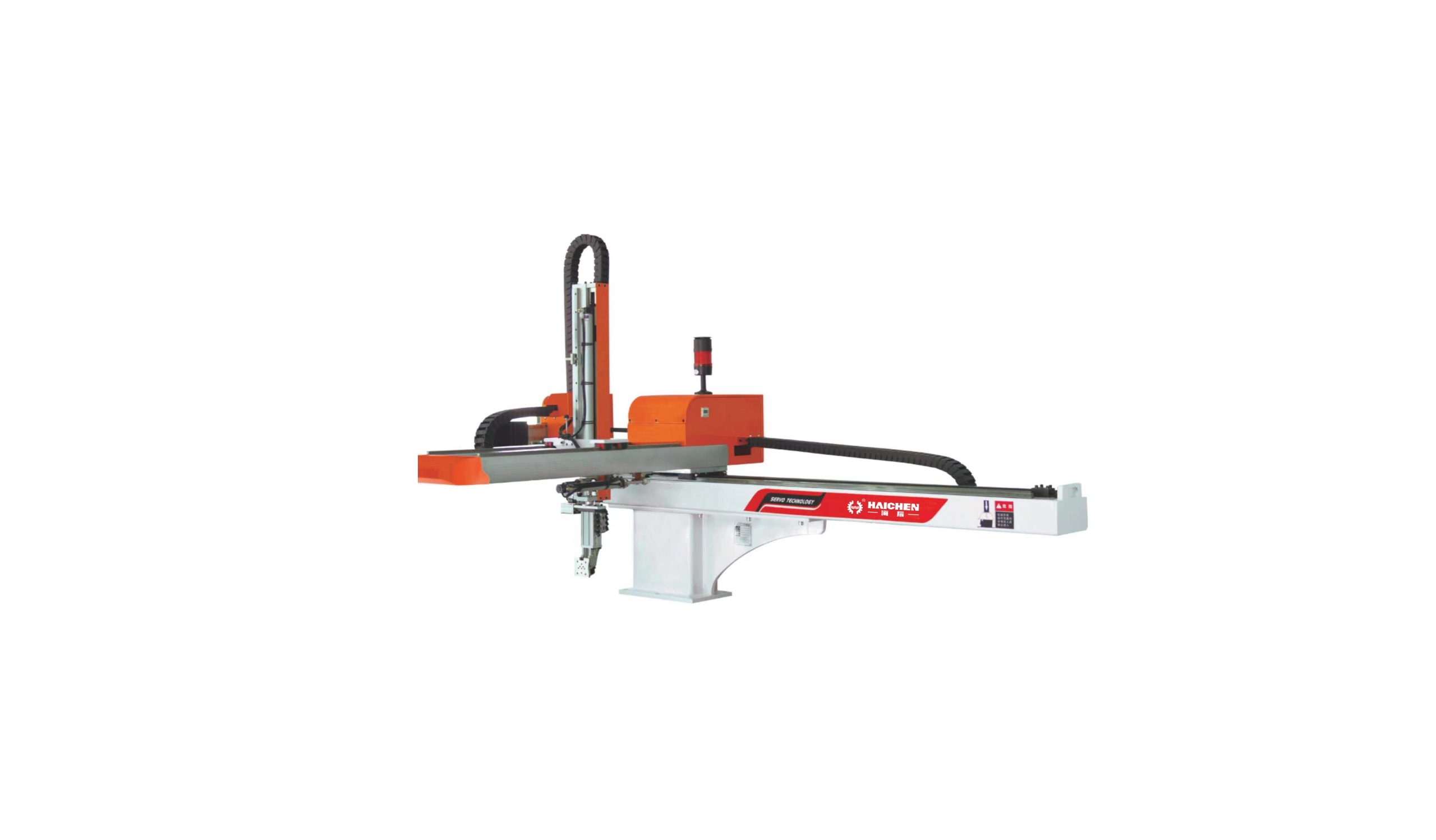
- Robot or take-out system: Helps remove preforms from the mold and transfer them to the next stage when the setup requires it.
The required equipment depends on the machine configuration, production volume, factory layout, and automation level. Customers do not necessarily need every item in the list.
Machine and Mold Matching
A machine and mold must work together as one production system.
Choosing them separately without checking their compatibility can lead to unnecessary costs or production limitations.
Before confirming a proposal, the supplier should check:
- Whether the mold fits the machine’s platen and tie-bar spacing
- Whether the clamping force suits the mold
- Whether the injection unit can handle the required shot weight
- Whether the mold’s opening stroke and thickness suit the machine
- Whether the cooling and auxiliary systems meet the production requirements
For a 12-cavity mold producing 50–90 g preforms, the total shot weight must account for all cavities and the runner system, if applicable.
The machine should be selected using the final mold design and required production conditions.
Technical Support and After-Sales Service
Technical support helps customers prepare for installation, commissioning, and daily operation. Depending on the agreed service scope, support may cover machine setup, operating guidance, troubleshooting, and maintenance recommendations.
Before placing an order, customers should confirm what the supplier includes in the quotation, such as installation support, operator training, spare parts, warranty terms, and remote technical assistance.
Clear service terms help both parties understand their responsibilities before shipment.
What Information Is Needed for a Quotation?
To recommend a suitable PET preform machine and mold, prepare the following information:
- Preform specifications: Neck outer diameter, weight, body dimensions, and drawing or sample.
- Production target: Required output per hour or day.
- Mold requirements: Cavity number, gate type, and existing mold dimensions, if available.
- Existing equipment: Machine model and specifications if you plan to reuse a mold or replace a machine.
- Automation needs: Whether you need a robot, material loader, dryer, chiller, or other auxiliary equipment.
- Quotation terms: Destination port and preferred trade term, such as FOB or CIF.
If you already have a mold, provide its drawing and dimensions so the supplier can check compatibility. If you need a new mold, the product drawing or physical sample will help define the design.
Frequently Asked Questions
Can a supplier provide both the machine and the mold?
Yes. A supplier that offers both can evaluate machine-mold compatibility as part of the proposal. Confirm the exact scope of supply before ordering.
Can one machine produce different PET preforms?
It may be possible, provided the molds, injection requirements, and machine specifications are compatible. Each product change should be evaluated before production.
Is the mold size of 650 × 450 × 510 mm suitable for a 50–90 g preform?
Not necessarily. This is a reference size for molds producing preforms under 30 g. A mold for 50–90 g preforms will require a design-specific size confirmation.
How can I get a suitable machine recommendation?
Send the preform drawing or sample, neck outer diameter, weight, required cavity number, and target output. The supplier can then evaluate the machine, mold, and auxiliary equipment requirements.