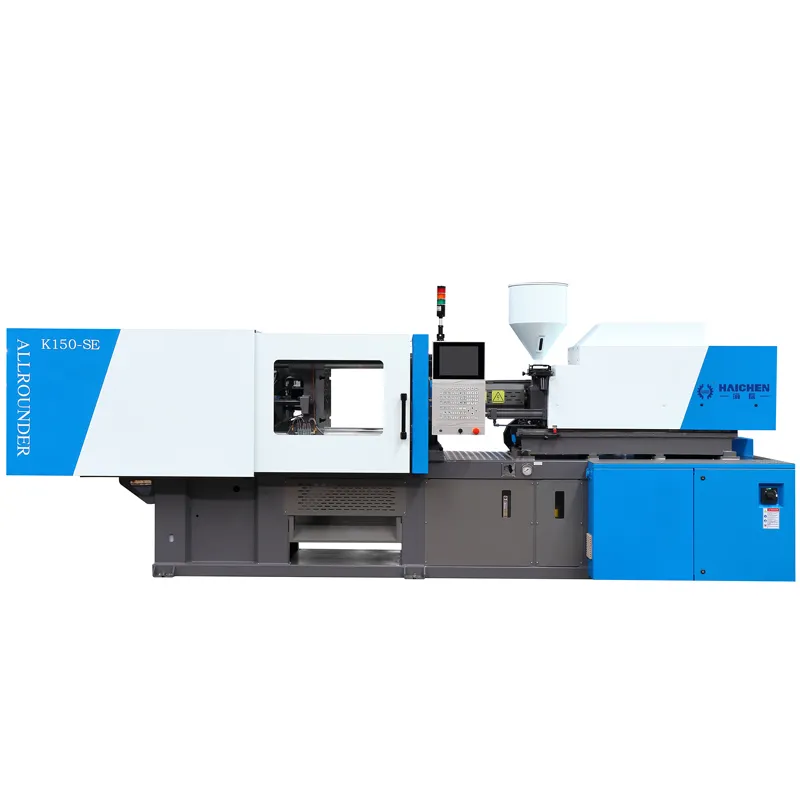
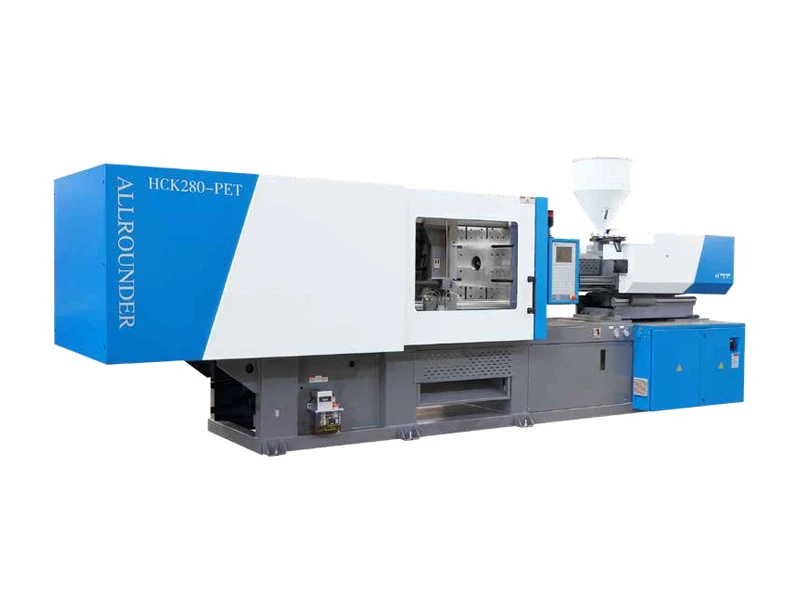
What Is a Switch Socket Injection Molding Machine?
A switch socket injection molding machine melts plastic pellets and injects them into a mold to produce switch panels, socket covers, mounting boxes, and related electrical components. The machine heats the plastic, injects it under high pressure, cools it, and ejects the finished parts. These machines are designed for high‑precision, multi‑cavity production of small electrical parts.
Common materials for switch and socket production include:
- PC (Polycarbonate) – High impact resistance and transparency, suitable for premium switch covers
- ABS – Economic, tough, and durable for general switch housings
- PP (Polypropylene) – Chemical corrosion resistance and high cost‑effectiveness
A plastic electrical panel injection molding machine must handle the specific requirements of electrical components: tight dimensional tolerances, excellent surface finish, and flame‑retardant properties. The Haichen HCK series delivers all three with its high‑precision control systems.
Key Components of a Switch Socket Injection Molding Machine
| Component | Function |
|---|---|
| Clamping Unit | Applies clamping force (110–230 tons) to keep the mold closed |
| Injection Unit | Melts plastic pellets and injects them into the mold |
| PLC Control System | Controls temperature, pressure, speed, and sequence |
| Screw and Barrel | Specially designed for PC and ABS materials |
| Multi‑Zone Temperature Control | Maintains precise temperature for different materials |
| Robot Interface (CE12) | Supports automatic part removal |
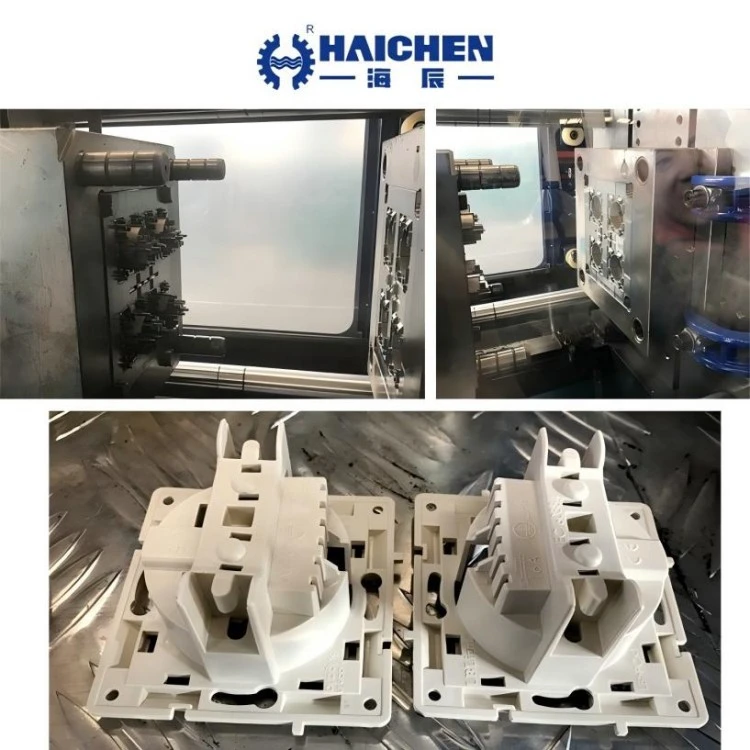
3D Design and Mold Technology for Switch Panels
Integrated 3D Design – From Mounting Box to Outer Frame
The first step in switch and socket production is 3D design. Engineers model each component (mounting box, terminal board, bridge plate, outer frame) separately and check assembly from multiple angles. They must ensure the fit is accurate. For example, the screw holes of the mounting box must line up with the snap features on the panel. Using 3D software to simulate mold opening and closing helps avoid interference problems later.
A switch socket making machine must be able to produce parts with complex geometries and tight tolerances. The HCK series supports multi‑cavity molds for high‑volume production of switch and socket components.
Mold Design – Ejection System and Number of Cavities
Two key points in mold design for switch panels: the ejection system and the number of cavities. For deep parts like mounting boxes, you usually need a stripper plate to eject, so ejector pin marks don’t affect assembly accuracy. For thin‑wall outer frames, ordinary ejector pins plus air assist can work.
The number of cavities depends on batch size. Small batches often use 1‑out‑2 or 1‑out‑4 molds. Large orders can go to 1‑out‑8 or even 1‑out‑16, but that needs a larger injection machine and a more complex cooling system.
Mold Structure Differences for Different Components
- Mounting box: Deep part, often with knock‑out holes on the sides – needs sliders or lifters.
- Switch panel (outer frame): Large, thin‑wall part – hidden gate (submarine gate) is common, and ejection must be even to avoid warpage.
- Socket panel: Often has a child‑safety shutter – needs small sliders.
- Bridge plate / terminal board: Small parts – can use a multi‑cavity mold to produce many at once.
Haichen provides mold design recommendations for switch socket injection molding machines based on your part drawings. Our engineers can suggest optimal gate locations, venting depth, and cooling channel layout. With over 20 years of experience, we help customers avoid common mold design mistakes that cause defects.
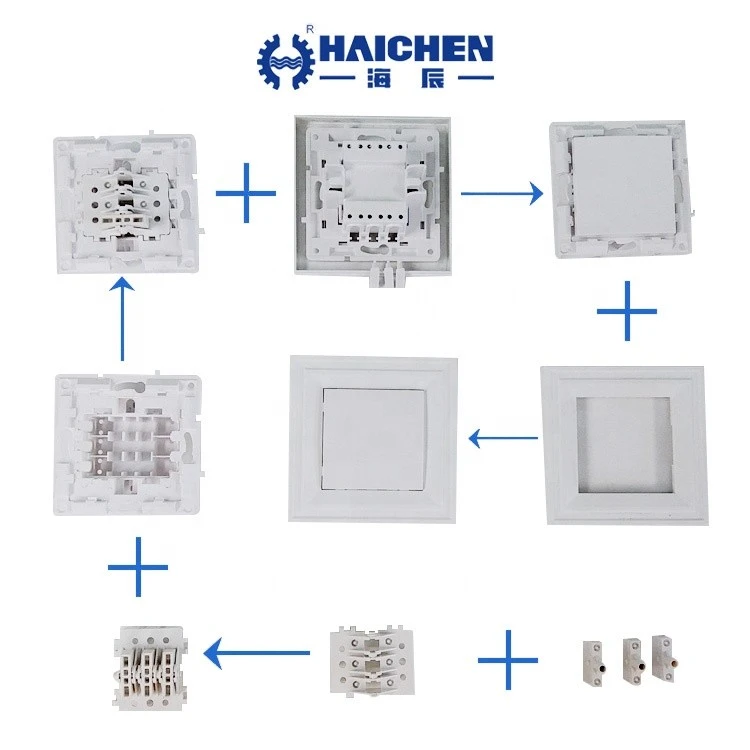
How to Pick the Right Machine for Switch Panels and Sockets
Typical Machine Configurations – Haichen 110 to 230 Tons
For plastic switch panels, we usually use Haichen HCK series injection molding machines from 110 to 230 tons. Different parts need different clamping force, shot size, and opening stroke. The table below shows recommended configurations based on real cases.
| Component | Recommended Haichen Model | Clamping Force (kN) | Typical Shot Weight (PS, g) | Mold Features | Notes |
|---|---|---|---|---|---|
| Mounting box (single) | HCK‑110 | 1100 | 80–120 | Deep cavity, needs stripper plate | Can do 1‑out‑2 |
| Mounting box (1‑out‑4) | HCK‑150 | 1500 | 250–350 | Sliders for side holes | Needs larger shot size |
| Switch panel (outer frame) | HCK‑150 | 1500 | 150–200 | Large flat part, submarine gate | 1‑out‑4 recommended |
| Socket panel | HCK‑110 | 1100 | 100–150 | Child shutter sliders | 1‑out‑4 |
| Bridge plate / terminal board | HCK‑110 | 1100 | 50–80 | Small parts, multi‑cavity | 1‑out‑8 |
| Mixed production (panel + box) | HCK‑180/230 | 1800–2300 | 300–500 | Two molds alternately | Need mold change or two‑shot machine |
Data based on actual Haichen HCK specifications. Shot weight is for PS. Actual values vary slightly with ABS/PC.
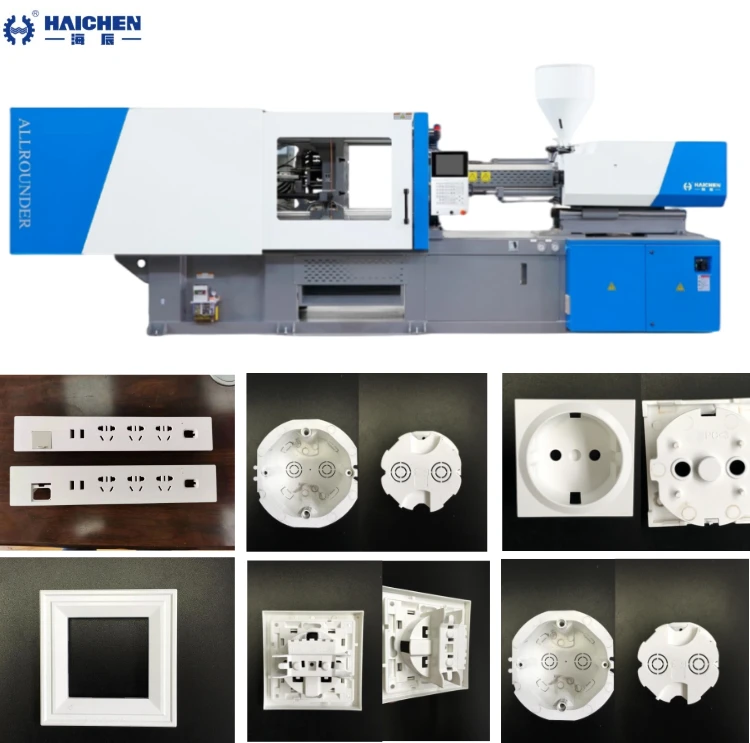
Machine Recommendations for Different Component Sets
- Single machine, small batches: Use one HCK‑110 and change molds for different parts. Good for trial runs or small orders.
- Multiple machines at the same time: Run mounting boxes on an HCK‑150 (1‑out‑2) and panels on an HCK‑110 (1‑out‑4). Two separate lines can produce over 5,000 sets per day.
- Large panels or high output: For big switch panels, use HCK‑180 or HCK‑230 with a 1‑out‑8 mold, plus a robot for part removal.
Precise Matching Based on Mold Size and Output
When selecting a machine, focus on three parameters: tie‑bar spacing (can the mold fit?), opening stroke (can you remove deep mounting boxes?), and shot size (does it cover the total weight of all cavities?).
For example, a 1‑out‑4 mounting box mold is about 500×400mm and weighs around 300g. The tie‑bar spacing on HCK‑150 (520×470mm) is a bit tight; we suggest HCK‑180 (570×520mm) to be safer. We can do a free matching analysis based on your mold drawing.
Key Machine Parameters for Switch and Socket Production
Clamping Force – Getting the Tonnage Right
Clamping force keeps the mold closed during injection. For switch and socket parts, tonnage requirements are typically in the 110–230 ton range.
| Haichen Model | Clamping Force | Tie‑Bar Spacing | Best For |
|---|---|---|---|
| HCK110 | 110 tons | 410×360 mm | 1–2 cavity small parts |
| HCK150 | 150 tons | 460×410 mm | 4‑cavity standard sockets |
| HCK180 | 180 tons | 520×470 mm | 4‑cavity switches |
| HCK230 | 230 tons | 570×520 mm | 8‑cavity multi‑component molds |
For a 4‑cavity socket mold, HCK150 is often the sweet spot. And for larger switch panels or 8‑cavity molds, HCK230 provides the extra clamping force needed.
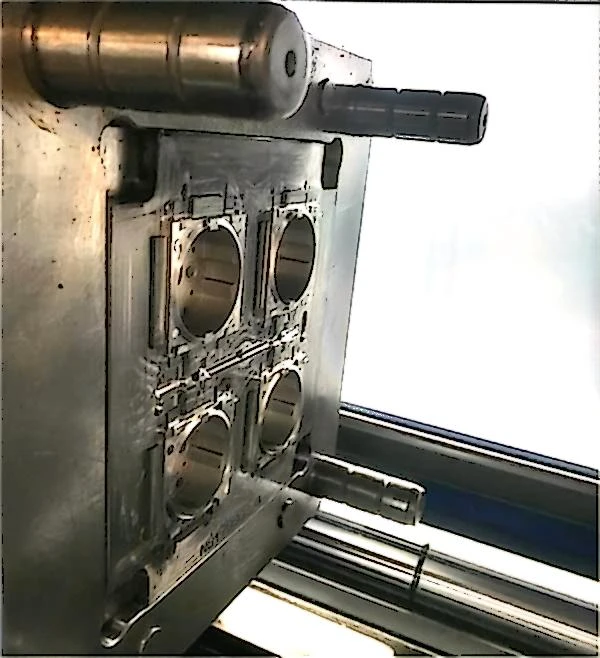
Shot Weight and Plasticizing Capacity
Switch and socket parts are small — typically 15–30 grams per part. But multi‑cavity molds mean the total shot weight adds up quickly. A 4‑cavity socket mold may need 100–150 grams per shot. An 8‑cavity mold may need 200–300 grams. The switch socket injection molding machine must have enough shot capacity to fill all cavities without short‑shots.
For most switch and socket production, a machine with 185–289 grams of shot weight capacity handles the job well.
Temperature Control for Different Materials
Different switch and socket materials require different temperature settings:
| Material | Barrel Temperature | Mold Temperature | Notes |
|---|---|---|---|
| PC | 280–320°C | 80–100°C | High temperature, needs drying |
| ABS | 200–240°C | 40–80°C | Good flow, wide window |
| PP | 180–230°C | 30–60°C | Easy to process, low cost |
A good plastic electrical panel injection molding machine uses multi‑zone PID temperature control to maintain precise barrel temperatures. This prevents material degradation and ensures consistent part quality.
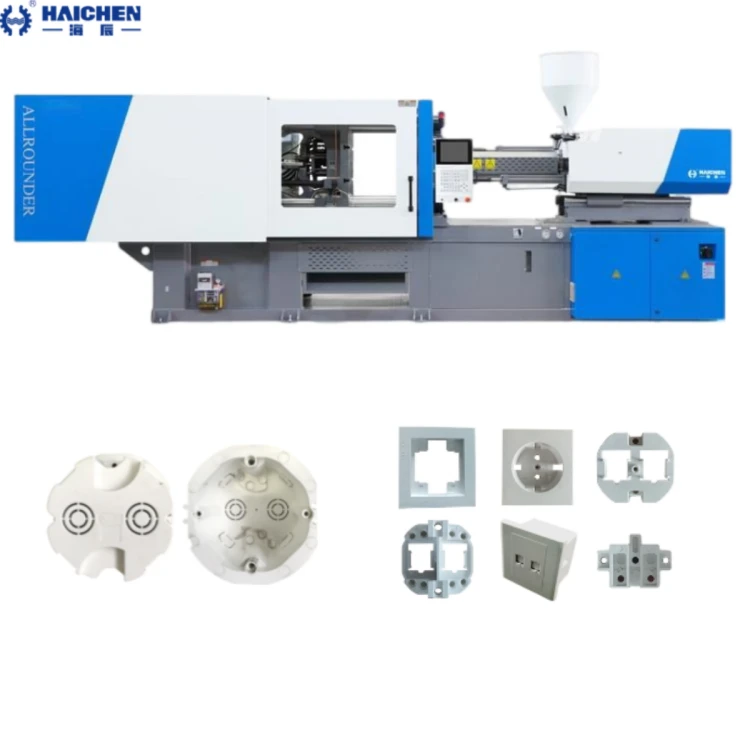
HCK Series for Switch and Socket Production
Haichen’s HCK series switch socket injection molding machines are designed specifically for high‑precision electrical component production.
Recommended HCK Models for Switch and Socket Production
| HCK Model | Clamping Force | Recommended Cavities | Best for | Key Features |
|---|---|---|---|---|
| HCK 110 | 110 tons | 1–2 cavities | Small parts, trial runs | Compact, energy efficient |
| HCK 150 | 150 tons | 4 cavities | Standard socket panels | Balanced performance |
| HCK 180 | 180 tons | 4–6 cavities | Switch covers and plates | Good injection speed |
| HCK 230 | 230 tons | 8 cavities | High‑volume multi‑cavity production | Heavy‑duty clamping |
All HCK series switch socket injection molding machines come with:
- Servo energy saving – reduces electricity costs by 30–50%
- CE12 robot interface – supports automation integration
- Multi-zone PID temperature control – ±1°C accuracy
- Multi-stage injection and holding pressure control – for consistent part quality
- Multi-language control system – supports 21 languages
- Hydraulic core-pull interfaces – standard for complex molds
Real Production Data
Haichen HCK series machines for switch socket production typically achieve:
- 4‑cavity socket mold: about 1,000 pieces per hour
- 8‑cavity switch mold: about 2,000 pieces per hour
- Cycle time: 12–18 seconds depending on part thickness
- Yield rate: 97% or higher
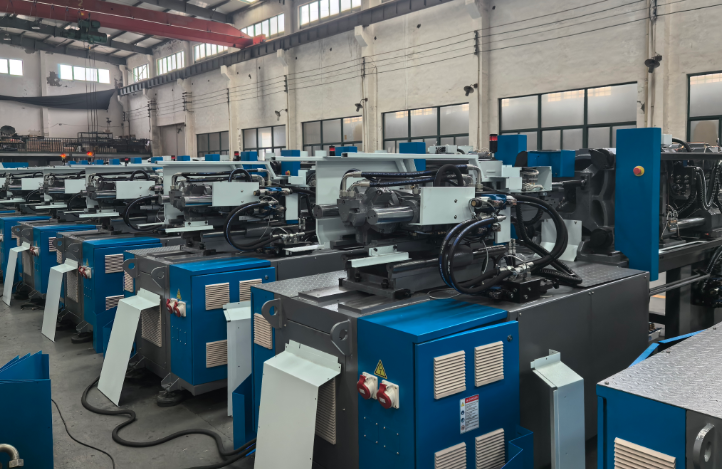
Haichen has supplied switch socket injection molding machines to customers across Southeast Asia, the Middle East, and Africa. Our HCK series machines are built for 24/7 operation with minimal maintenance.
Frequently Asked Questions
What is a switch socket injection molding machine?
A switch socket injection molding machine melts plastic pellets and injects them into a mold to form switch panels, socket covers, mounting boxes, and other electrical components. The machine heats the plastic, injects it under high pressure, cools it, and ejects the finished parts. These machines are designed for high‑precision, multi‑cavity production of small electrical parts.
What tonnage do I need for wall socket production?
Most switch and socket production uses 110–230 ton machines. A 4‑cavity socket mold typically needs 150 tons. An 8‑cavity mold needs 180–230 tons. Your switch socket injection molding machine should match your mold’s projected area and cavity count.
What materials are best for switch and socket molding?
- PC – high impact strength, good for premium visible parts
- ABS – economic, tough, suitable for most switch housings
- PP – cost‑effective, good for mounting boxes and internal parts
How many cavities should my switch socket mold have?
- Small batches or new products: 1–2 cavities
- Medium production: 4 cavities
- High volume: 8 cavities or more
How does servo energy saving help?
A servo‑driven switch socket injection molding machine adjusts power based on real‑time demand. During cooling and holding phases, the motor nearly stops. This saves 30–50% on electricity compared to traditional hydraulic machines.
Does Haichen provide whole-line solutions for switch and socket production?
Yes. Haichen provides the switch socket injection molding machine, mold recommendations, drying system, chilling system, robot, and conveyor. We also provide installation, commissioning, and operator training. Our service covers many countries worldwide.
Haichen Machinery – your switch socket injection molding machine partner. From HCK 110 to HCK 230, from 2 to 8 cavities, we help you get the right machine for your switch and socket production.
Author: Yang, Senior Engineer, Haichen Machinery