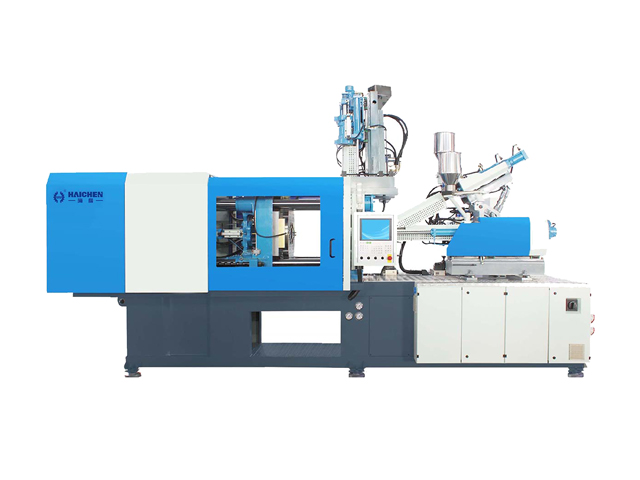
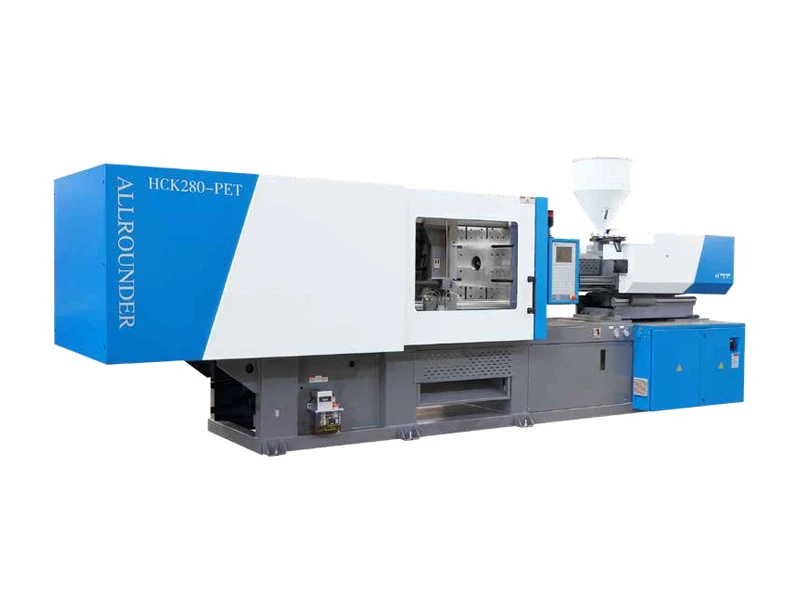
What is a light switch and socket manufacturing machine? It is a production system centered on an injection molding machine that makes plastic parts for switches and sockets.
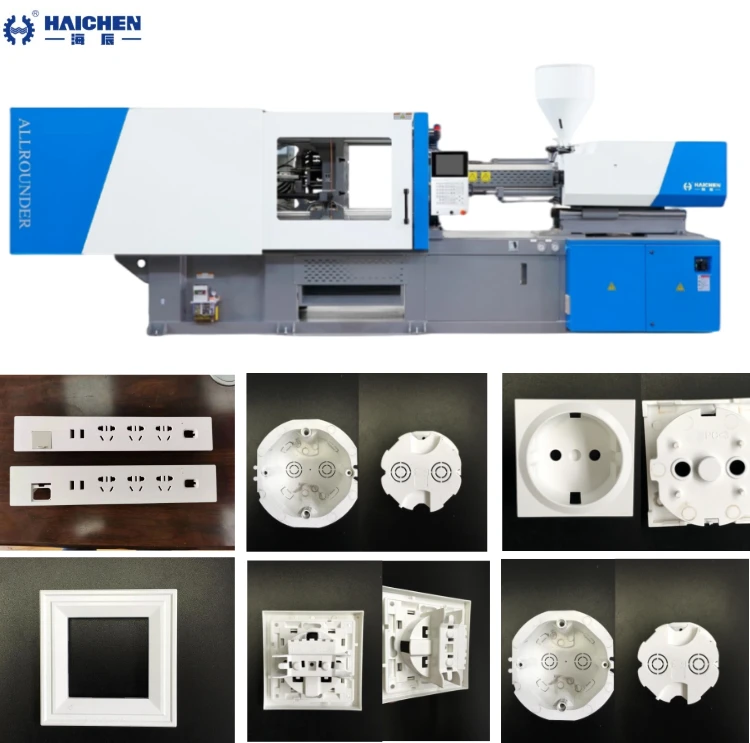
A light switch and socket manufacturing machine heats plastic granules, injects the melt into a mold, and ejects finished parts.
For switch and socket production, the machine must handle flame-retardant plastics like PC and ABS. A standard servo injection molding machine works perfectly for this application.
This article explains how a switch socket injection molding machine works. It also shows why Haichen servo injection molding machines are a reliable choice for manufacturers.
How an Injection Molding Machine Produces Light Switch and Socket Components
- Injection Molding Cycle for Switch and Socket Parts
- Material Selection for Light Switch and Socket Components
- Multi-Cavity Molds for High-Volume Production
Injection Molding Cycle for Switch and Socket Parts
The injection molding process for light switch and socket parts follows a repeating cycle.
First, plastic granules enter the heating barrel. The barrel melts the granules into a fluid state. The screw rotates and pushes the molten plastic forward.
Then the machine injects the plastic into a closed mold under high pressure. Injection pressure above 200 MPa is common for switch panels and socket frames.
After injection, the machine holds pressure for a few seconds. This compensates for material shrinkage.
Next comes cooling. Cooling takes 10 to 40 seconds, depending on part thickness. The mold then opens. Ejector pins push the finished part out.
The cycle repeats automatically. A Haichen 150-ton machine with a 4-cavity mold produces about 1,200 switch covers per hour.
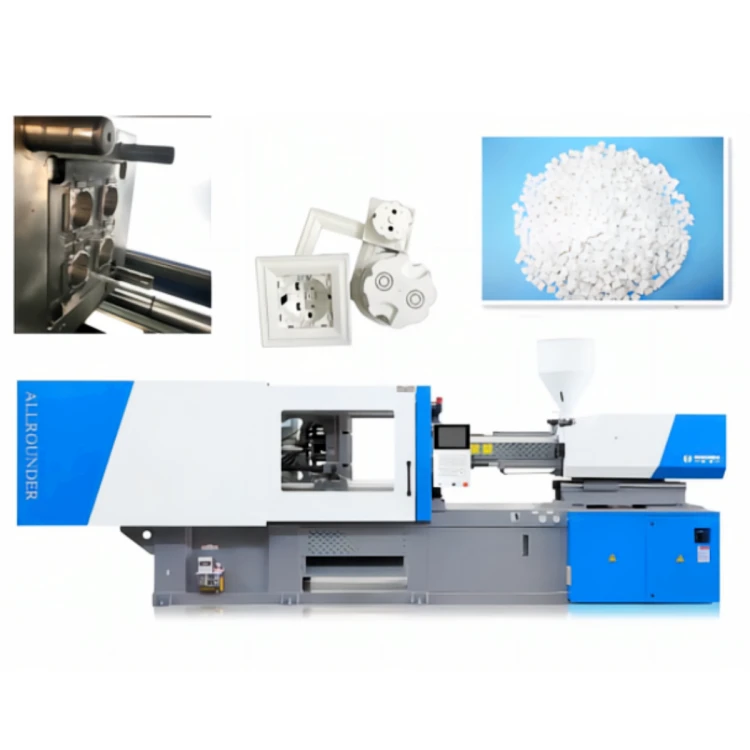
Material Selection for Light Switch and Socket Components
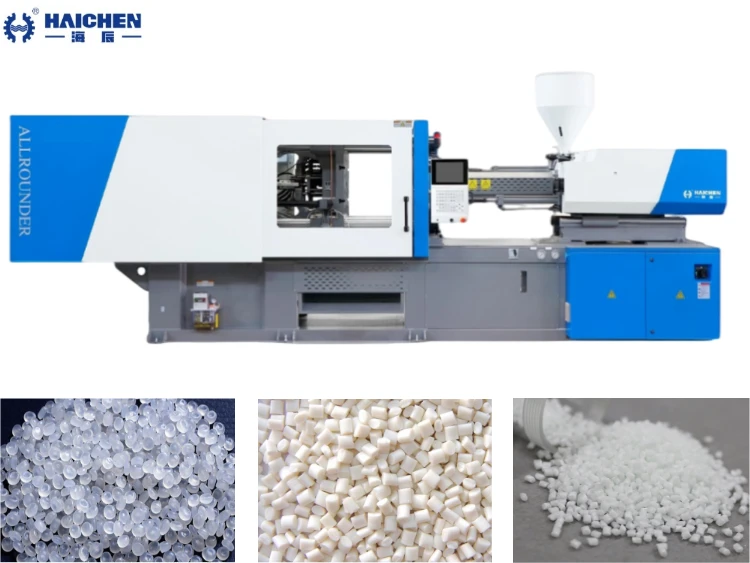
Switch socket manufacturers use three main engineering plastics.
Polycarbonate (PC) offers high impact resistance and natural flame retardancy. It is the top choice for light switch covers and buttons.
ABS is more economical. It provides good toughness for standard switch housings.
Polypropylene (PP) is cost-effective and chemical resistant. Manufacturers commonly use it for junction boxes and wiring boxes.
Many safety-certified products use PC/ABS flame-retardant blends. These materials achieve UL94 V-0 rating. They flow well and work with standard servo injection molding machines.
Multi-Cavity Molds for High-Volume Production
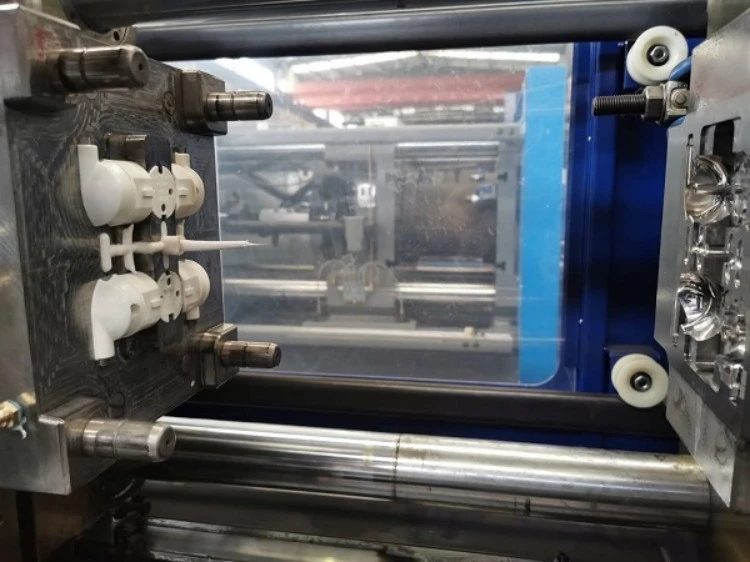
Manufacturers choose different cavity counts based on production needs.
A single-cavity mold produces one part per cycle. It is ideal for prototyping or small batches.
A 2-cavity mold produces two identical parts per cycle. A 4-cavity mold produces four parts per cycle. Four-cavity molds are very common for switch and socket production.
Higher cavity counts increase output without increasing cycle time. However, they require higher clamping force. A Haichen 150-ton machine easily runs a 4-cavity switch panel mold.
Key Machine Features for Switch Socket Production
- Horizontal Design for Easy Automation
- Sufficient Injection Pressure for Complete Filling
- Clamping Force Range: 150 to 230 Tons
Horizontal Design for Easy Automation
Most injection molding machines for switch socket production use a horizontal design. The mold opens and closes horizontally.
This design makes automation easy. Robotic take-out arms and conveyor systems integrate smoothly.
After ejection, parts fall onto a conveyor belt. The belt carries them to assembly and testing stations.
For switch socket production lines, this workflow is highly efficient. Operators can also access the mold area safely for insert loading.
Maintenance tasks like screw and barrel cleaning are simpler compared to vertical machines. Haichen horizontal machines follow this industry-standard design.
Sufficient Injection Pressure for Complete Filling
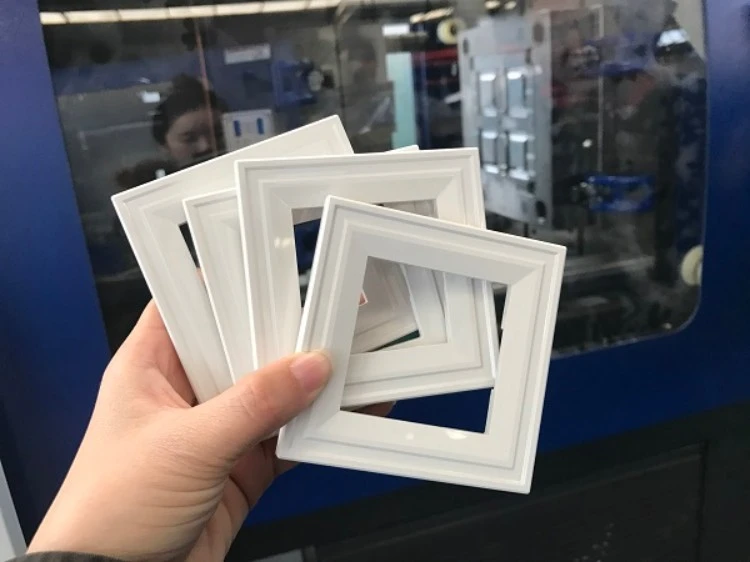
Switch panels and socket frames require complete mold filling. A good injection molding machine delivers injection pressure above 200 MPa.
High pressure ensures the molten plastic reaches every corner of the mold cavity. This prevents short shots and surface defects.
Consistent pressure across multiple cavities ensures uniform part quality. Each switch cover or socket frame meets the same dimensional standards.
Standard servo machines, including Haichen models, provide this pressure without special modifications.
Clamping Force Range: 150 to 230 Tons
For most switch and socket plastic parts, clamping force between 150 and 230 tons is sufficient.
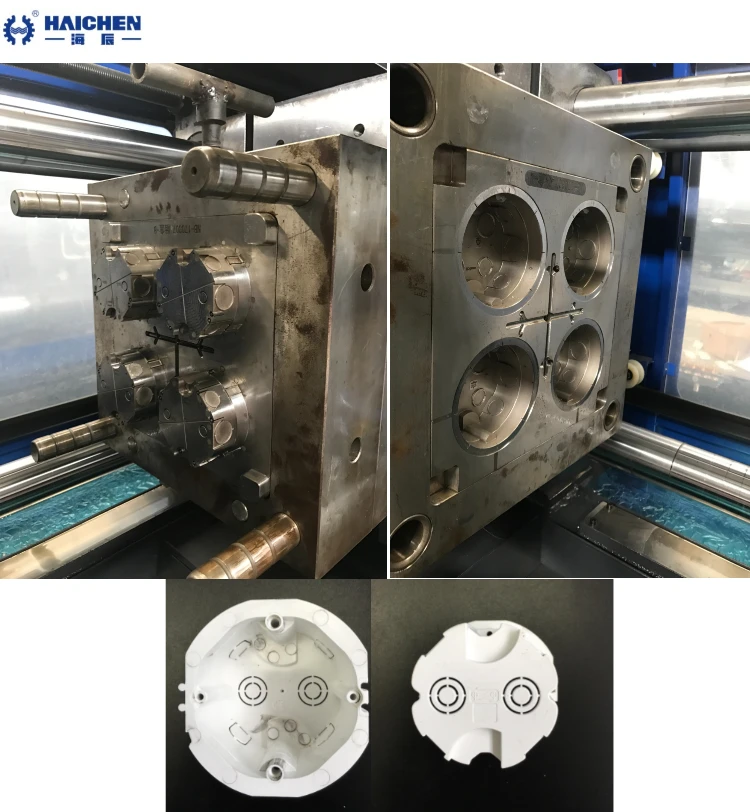
A 150-ton machine runs 4-cavity switch panel molds. A 180-ton or 230-ton machine handles larger socket frames or junction boxes.
Tie bar spacing must fit standard switch socket molds. Haichen machines in this tonnage range are designed with tie bar spacing that matches common mold sizes. This means you can use existing molds without modification.
Different Component Types and Production Requirements
Light switch and socket manufacturing machines produce various plastic components. Each component type has specific material and production requirements:
| Component Type | Common Material | Typical Dimensions | Key Requirements |
|---|---|---|---|
| Switch cover/panel | PC or PC/ABS | 80×80mm, 1.5-2.5mm thick | High impact resistance, smooth surface |
| Socket frame | PC or ABS | 75×70mm, 2-3mm thick | Dimensional accuracy, flame retardant |
| Switch button | PC | 15×10mm | Precise fit, good surface finish |
| Junction box | PP | Various sizes | Chemical resistance, cost-effective |
| Wiring box | PP | Various sizes | Impact resistance, UL94 V-0 rating |
| Socket insert/housing | PC/ABS blend | 30×20mm | High precision, thermal stability |
Injection Mold Design for Switch and Socket Parts
Proper mold design is critical for efficient switch socket production. Key considerations include:
Gate Design
Switch panels and socket frames typically use edge gates or fan gates. Gate location must be chosen to minimize visible marks on cosmetic surfaces. For multi-cavity molds, balanced runner systems ensure uniform filling across all cavities.
Cooling Channel Layout
Uniform cooling is essential for switch parts to prevent warpage and sink marks. Conformal cooling channels are recommended for complex switch panel shapes. Water temperature should be controlled at 20-40°C for PC and ABS materials.
Ejector Pin Placement
Ejector pins must be positioned away from cosmetic surfaces to avoid visible marks. For socket frames, ejector pins are typically placed on the underside or along non-visible edges. Haichen engineers can provide mold design recommendations for your specific switch socket parts.
Production Examples from Real Factories
The table below shows actual production data from factories using standard servo injection molding machines for switch and socket parts.
| Product Type | Material | Cavities | Machine Tonnage | Cycle Time | Output |
|---|---|---|---|---|---|
| Light switch cover (8.3×8.3×1cm) | ABS | 4 | 150T | 12 sec | 1,200 pcs/hour |
| Home lamp socket (7.5×7×4.5cm) | PP | 4 | 180T | 12 sec | 1,200 pcs/hour |
| 2-way light switch (5×5×1.5cm) | PC | 4 | 150T | 12 sec | 1,200 pcs/hour |
| Light switch cover (7×7×4cm) | PC | 4 | 180T | 14 sec | 1,028 pcs/hour |
These examples demonstrate how different materials perform. ABS works well for economical switch housings. PP is common for junction box covers. PC is preferred for high-impact switch panels.
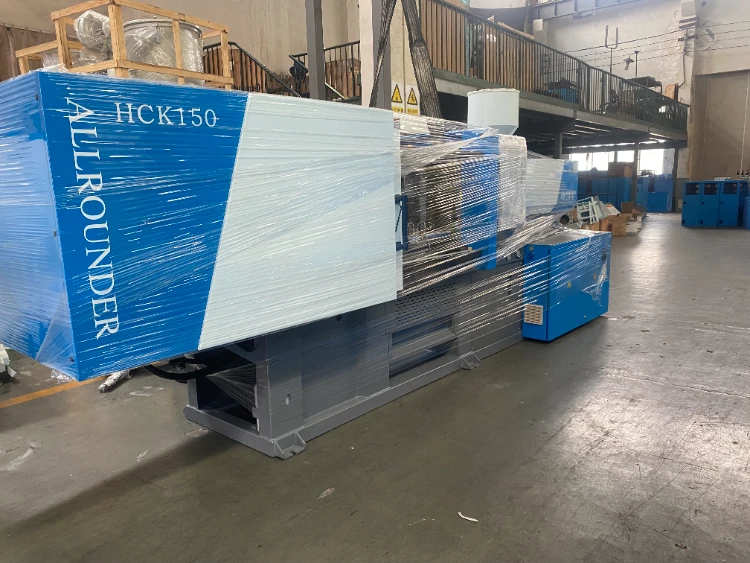
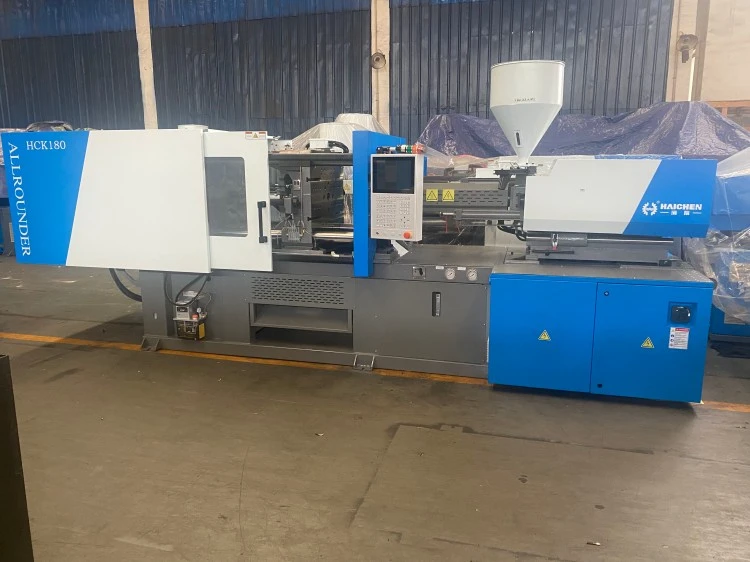
The machines used in these examples include Haichen HCK150 and HCK180 models. Haichen has supplied switch socket injection molding machines for more than 10 years. The company also provides molds with 4CR13 or H13 core materials, guaranteed for 300,000 to 1,000,000 cycles.
Haichen servo energy-saving machines reduce power consumption by adjusting oil pump flow and speed. This lowers operating costs for continuous manufacturing.
A light switch and socket manufacturing machine is a standard servo injection molding machine configured for flame-retardant plastics, multi-cavity molds, and 150–230 ton clamping force. The machine heats plastic granules, injects them into molds under high pressure, and ejects finished parts in 12 to 14 seconds. Real production examples confirm that such machines reliably produce switch covers, socket frames, junction boxes, and related components. For manufacturers seeking a complete solution, Haichen offers machines, molds, and automation support with proven industry experience.