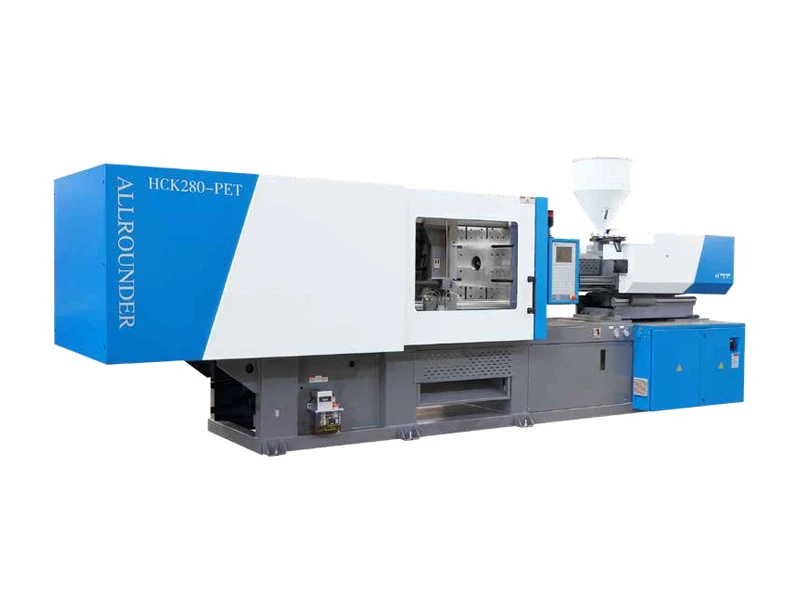
You are sourcing an injection molding machine for artificial flowers. You know you need something that handles thin walls and multiple colors. But you are not sure whether a single-color, two-color, or three-color machine is the right choice. The answer depends on the products you plan to make, the markets you serve, and the production volume you target.
The number of colors your machine can handle is not just about aesthetics — it is about production capability and market positioning. A single-color machine produces basic products quickly and cheaply. A two-color machine creates natural gradients that command higher prices. A three-color machine opens the door to premium markets with complex, realistic designs.

This guide explains the differences between single-color, two-color, and three-color injection molding machines for artificial plants. It covers what each machine type can produce, how the machine affects cost and quality, and which configuration fits your production needs. By the end, you will know exactly which injection molding machine for artificial flowers to choose for your production line.
- What Can Each Machine Type Produce?
- How Machine Type Affects Cost and Production Efficiency
- Which Machine Configuration Fits Your Market?
- How to Identify Which Machine a Supplier Uses
- Why Choose Haichen as Your Injection Molding Machine for Artificial Flowers Supplier?
What Can Each Machine Type Produce?
The number of injection units on your machine determines the color complexity you can achieve in a single cycle. Here is what each configuration can do.
- Single-Color Machines – One Color, One Barrel, Fast Cycles
- Two-Color Machines – Two Barrels, Natural Gradients
- Three-Color Machines – Three Barrels, Premium Realism
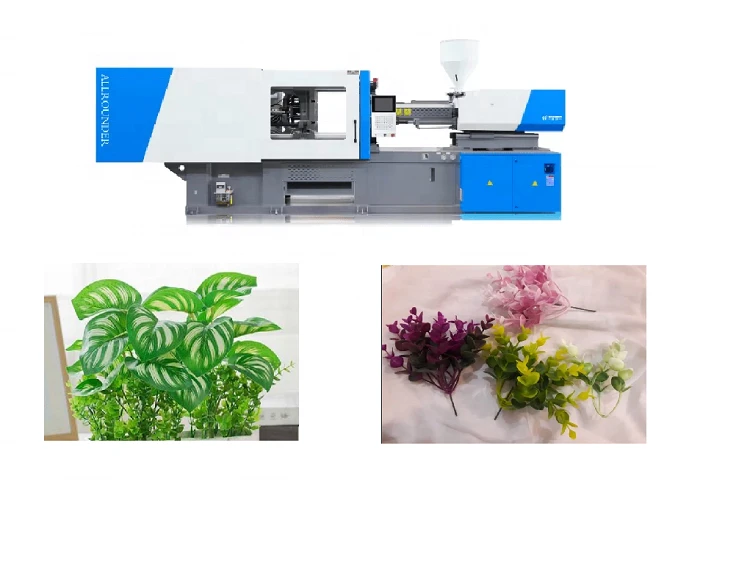
Single-Color Machines – One Color, One Barrel, Fast Cycles
A single-color injection molding machine has one barrel and one screw. It melts one type of plastic material and injects it into the mold cavity. The entire part comes out in one uniform color.
What it produces:
-
Solid-color artificial flowers and leaves
-
Single-tone stems and branches
-
Basic decorative plants without color gradients
-
Bulk items where price is the main concern
These machines are simple to operate and maintain. They cost less to buy, cost less to run, and produce parts faster than multi-color alternatives. However, they cannot produce color gradients or multi-tone effects within a single part. If you need a leaf with a green base and light tips, a single-color injection molding machine for artificial flowers cannot deliver that in one cycle. You would need painting or secondary operations.
Haichen offers single-color configurations with servo energy saving as standard. Our HCK series machines deliver fast cycle times and consistent part quality for high-volume production. They are the most cost-effective entry point for artificial plant manufacturing.
Two-Color Machines – Two Barrels, Natural Gradients
A two-color injection molding machine has two independent injection units, each with its own barrel, screw, and heating system. Each unit can inject different colored plastics or different materials into the mold. Two-color injection molding technology allows two different colors of plastic to be injected into different chambers in the mold in a single injection process.
What it produces:
-
Leaves with green base and lighter green or yellow tips
-
Flowers with colored center and white or contrasting edges
-
Stems with different shades along their length
-
Any part requiring two distinct colors or natural gradient transitions
The two units work independently. The mold receives material from each unit through controlled valve timing. Some machines even allow you to use the two units together — combining one unit’s material with the other’s during injection to create marbling or swirling effects. This technology enables seamless, natural-looking color transitions without post-processing.

Haichen’s two-color machines feature dual independent injection units with precise servo control. Each unit can heat and inject different colors or materials. The injection speed is fast, with a single injection cycle taking only 20 seconds. The servo system stabilizes the gradient molding effect and ensures consistent color transitions across production runs.
Three-Color Machines – Three Barrels, Premium Realism
A three-color injection molding machine has three independent injection units. This configuration creates complex color patterns that are impossible with two units. The machine can produce parts with three distinct color zones or more complex layered effects.
What it produces:
-
Flowers with layered color zones
-
Leaves with multiple tones and highlights
-
Premium decorative items with high realism
-
Complex patterns requiring three separate color injections
Three-color injection molding machines for artificial flowers represent the highest level of capability. The equipment costs more, the control system is more complex, and the cycle time is longer. But the results justify the investment — three-color products look significantly more realistic than two-color alternatives. The color transitions are smoother, the patterns are more detailed, and the final products command premium prices.
Haichen offers three-color configurations for manufacturers targeting premium artificial plant markets. These machines feature three independent injection units, delivering the color complexity and realism that high-end customers demand. The servo control system ensures precise timing and proportion control for each color.
How Machine Type Affects Cost and Production Efficiency
The number of injection units directly impacts your equipment investment, operating costs, and production efficiency. Here is a clear breakdown.
- Equipment Investment – What You Pay Upfront
- Production Speed – Cycle Time Comparison
- Material and Maintenance Costs – Operating Expenses
Equipment Investment – What You Pay Upfront

| Machine Type | Injection Units | Typical Cost Range | Mold Compatibility |
|---|---|---|---|
| Single-color | 1 unit | Lowest | Standard molds |
| Two-color | 2 units | Moderate | Single-color or two-color molds |
| Three-color | 3 units | Highest | Specialized multi-color molds |
Single-color machines cost the least. They are the most common entry-level option. Two-color machines cost more because they require two independent plasticizing units and more complex controls. Three-color machines represent the highest investment level but enable the highest product value.
Haichen’s machines cover all three configurations from 30 tons to 3000 tons clamping force. We offer single-color, two-color, and three-color options across our HCK series. Our two-color machines use a combination of standard injection molds and rotating mold tables to achieve natural color transition effects.
Production Speed – Cycle Time Comparison
Cycle time directly affects your daily output. Here is how the configurations compare.

| Machine Type | Typical Cycle Time | Daily Output (24 hours) | Per-Unit Cost |
|---|---|---|---|
| Single-color | Fastest | Highest | Lowest |
| Two-color | Moderate | Moderate | Moderate |
| Three-color | Slowest | Lowest | Highest |
Single-color machines run the fastest. They have fewer variables to control, so they can maintain consistent cycles with minimal adjustments. Two-color machines require precise timing between the two injection units, which adds a few seconds per cycle. Three-color machines need even more precise coordination, making the cycle time longer.
For high-volume production of basic items, single-color machines are the most efficient. For premium products where quality matters more than speed, three-color machines deliver the best results.
Material and Maintenance Costs – Operating Expenses
Material consumption and maintenance costs vary significantly between machine types.
Single-color machines use one material type. Material handling is simple. Maintenance focuses on one barrel, one screw, and one set of controls. This keeps operating costs low.
Two-color machines handle two materials simultaneously. This requires more careful material management. You need to ensure both materials are properly dried and loaded. The machine has two sets of barrels and screws to maintain. Maintenance costs are higher but manageable.
Three-color machines manage three materials at once. Material handling is more complex. Maintenance covers three complete injection units. Operating costs are the highest, but the product value offsets these costs.
Haichen machines use servo energy saving as standard across all configurations. The servo motor adjusts power based on real-time demand. This saves 30-50% on electricity compared to traditional hydraulic machines. Lower operating costs mean better margins for your artificial flower production.
Which Machine Configuration Fits Your Market?
Your target market determines the best machine configuration for your artificial plant production line.
- Mass Market – Single-Color Machines
- Mid-Tier Market – Two-Color Machines
- Premium Market – Three-Color Machines
Mass Market – Single-Color Machines
Mass markets prioritize price over complexity. Customers want functional, affordable artificial plants. They do not require color gradients or multi-tone effects.
Machine choice: A single-color injection molding machine with 3-5 temperature zones and a standard screw. Clamping force typically ranges from 140 to 230 tons, depending on mold size and cavity count.
Production focus: High-volume, fast-cycle production of basic items. Single-color flowers, solid-color leaves, and simple stems. Price is the competitive advantage.
Recommended configuration: HCK series single-color machine with servo energy saving. Standard screw and barrel configuration for PP and PE materials. Simple mold design with high cavity count.
Haichen’s single-color machines deliver reliable performance for high-volume production. They are designed for 24/7 operation with minimal maintenance. The servo system reduces electricity costs, making them ideal for price-sensitive mass markets.
Mid-Tier Market – Two-Color Machines
Mid-tier markets demand natural-looking products at reasonable prices. Customers in home decor, gift shops, and event planning want realistic artificial plants without paying premium prices.
Machine choice: A two-color injection molding machine with two independent injection units. Clamping force typically ranges from 160 to 250 tons, depending on part size and complexity.
Production focus: Medium to high-volume production of natural-looking flowers, leaves, and stems. Two-color gradients and seamless transitions are the key selling points. Quality and consistency matter.
Recommended configuration: HCK series two-color machine with dual injection units. Servo control for consistent gradient effects. Compatible with both single-color and two-color molds.
Haichen’s two-color machines are specifically designed for this market segment. The dual independent injection units work with a rotational mold table to produce seamless color transitions. The servo system ensures consistent quality across production runs. The machines run fast — a single injection cycle takes only 20 seconds — making them efficient for mid-tier production.
Premium Market – Three-Color Machines
Premium markets demand the highest quality. Customers in luxury retail, hotels, commercial spaces, and high-end decor require realistic, complex products.
Machine choice: A three-color injection molding machine with three independent injection units. Clamping force typically ranges from 180 to 300 tons, depending on product complexity and mold size.
Production focus: High-precision, medium-volume production of premium artificial plants. Complex color patterns, layered effects, and detailed realism set these products apart.
Recommended configuration: HCK series three-color machine with triple injection units. Advanced servo control for precise color timing. Specialized multi-color molds for complex patterns.
Haichen offers three-color configurations for manufacturers targeting this premium segment. The machines deliver the color complexity and realism that high-end customers demand. The servo control system ensures precise timing and proportion control for each color, maintaining consistent quality across production runs.
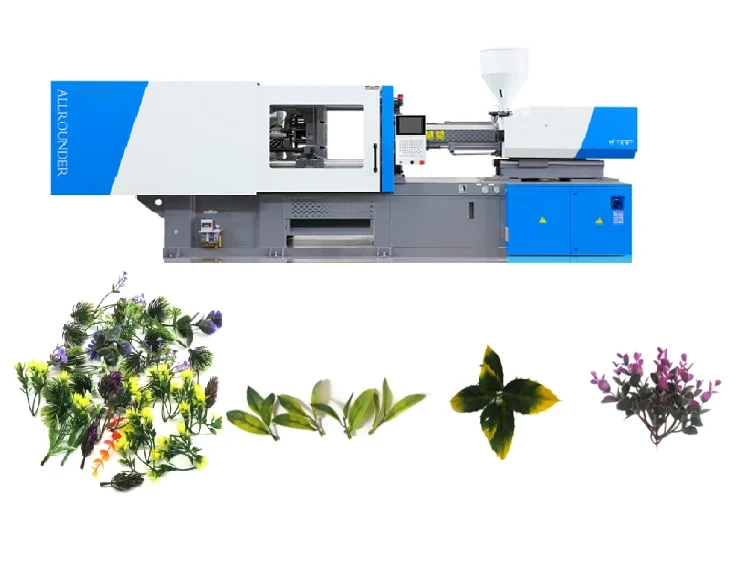
How to Identify Which Machine a Supplier Uses
You cannot always trust what a supplier tells you. But you can look at the product and ask the right questions to identify their equipment.
- Visual Inspection – What the Product Reveals
- Questions to Ask About Machine Configuration
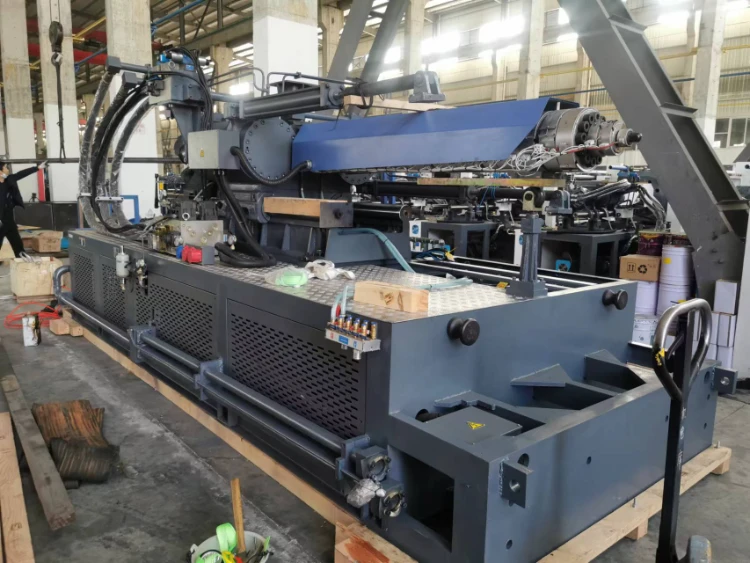
Visual Inspection – What the Product Reveals
The product itself reveals the machine used to produce it. Here is what to look for.
Single-color products:
-
Uniform color throughout the part
-
No gradient or color transition
-
Flat, one-dimensional appearance
-
Lower surface detail and realism
Two-color products:
-
Natural color transitions between two colors
-
Seamless blending at the transition point
-
No secondary painting marks or glue lines
-
Consistent gradient across the production batch
Three-color products:
-
Multiple distinct color zones (three or more)
-
Complex patterns with natural transitions
-
High realism and surface detail
-
Superior finish quality
Red flags:
-
Uneven color transitions — indicates poor machine control
-
Color bleeding between zones — indicates poor mold design
-
Inconsistent quality between samples — indicates unstable equipment
-
Visible painting or glue marks — indicates post-processing instead of true multi-color injection
Questions to Ask About Machine Configuration
Do not be afraid to ask specific technical questions. A transparent supplier will answer clearly. A supplier with something to hide will be vague.
Questions to ask:
-
“How many injection units does your machine have?” — One, two, or three?
-
“Can you produce multi-color parts in a single cycle?” — If they say no, they use post-processing.
-
“Do you use single-color molds or dedicated multi-color molds?” — Multi-color requires specialized molds.
-
“What brand and model of machine do you use?” — Brand names indicate quality.
-
“Can I see your production line?” — A confident supplier will show you.
Haichen-powered suppliers use machines with independent injection units and precise servo control. They produce seamless color transitions without secondary painting. The machines run fast and consistently, delivering reliable quality across production runs.
Why Choose Haichen as Your Injection Molding Machine for Artificial Flowers Supplier?
Selecting the right equipment supplier is as important as selecting the right machine configuration. When you evaluate injection molding machine for artificial flowers suppliers, you need to look beyond just the price tag.
What Makes a Reliable Injection Molding Machine for Artificial Flowers?
A reliable injection molding machine for artificial flowers must handle thin-wall molding, maintain consistent temperature control, and support multi-color injection. Haichen designs our machines specifically for these requirements.
Haichen Machinery has supplied injection molding machines for artificial flowers and plants for over 15 years. Our HCK series machines for artificial flowers feature:
-
Servo energy saving that cuts electricity costs by 30-50%
-
Independent injection units for single-color, two-color, and three-color configurations
-
Precise temperature control to prevent material degradation during color transitions
-
Fast injection speed with single-cycle times as low as 20 seconds
We manufacture injection molding machines from 30 tons to 3000 tons clamping force. Our engineering team has over 20 years of injection molding experience. We understand the specific challenges of artificial flower production — thin walls, complex color patterns, and high-volume requirements.
When you choose Haichen, you get more than a machine. You get technical support, operator training, and spare parts supply. We have delivered injection molding machines for artificial flowers and plants to customers across Southeast Asia, the Middle East, South America, and Africa.

📩 Contact Haichen to discuss your artificial flower production requirements and find the right injection molding machine for artificial flowers for your needs.
Author: Yang, Senior Engineer, Haichen plastic machine