
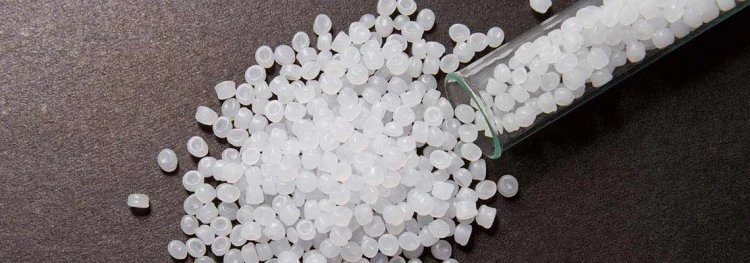
Materials commonly used in the manufacture of plastic chairs include Polypropylene (PP) for standard stackable chairs, Polycarbonate (PC) for transparent, high‑strength models, ABS for tough, rigid frames, and HDPE for flexible, weather‑resistant outdoor seating. In addition, UV stabilizers, pigments, and calcium carbonate are often blended in to enhance performance and appearance.
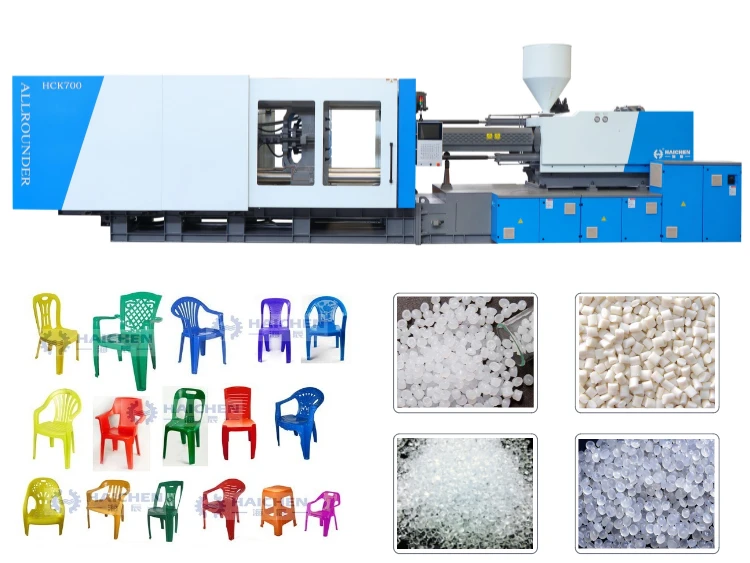
These materials are suitable for a wide variety of chair types, including plastic folding chairs, plastic lawn chairs, plastic outdoor chairs, white plastic chairs, plastic rocking chairs, dining chairs in plastic, outdoor plastic chairs, plastic outdoor rocking chairs, plastic stacker chairs, child’s plastic chairs, plastic rattan chairs, rattan design plastic chairs, and even chiavari chairs.
Each type of plastic offers a unique combination of strength, durability, cost, and recyclability. For a manufacturer using a plastic chair injection molding machine, understanding these material differences is the first step toward producing high‑quality, long‑lasting chairs. Choosing the right raw material directly affects the chair’s performance in different environments, such as indoor, outdoor, or heavy‑duty commercial use. Furthermore, as sustainability becomes a global priority, material selection must also consider the use of recycled plastics and eco‑friendly alternatives.
From a machinery manufacturer’s perspective – especially for those producing plastic chair injection molding equipment – we must emphasize that the final product quality is not only determined by the material itself, but also by how precisely the plastic chair making machine processes that material. And for buyers, plastic chair making machine price is always a key factor, but value comes from matching the machine to the material and application.
Common Materials for Plastic Chairs
Below is a comparison of the four most commonly used plastics in chair production, based on their properties and typical applications.
- Polypropylene (PP) – Best balance of strength, flexibility, and low cost
- Polycarbonate (PC) – High impact resistance and transparency
- ABS – Rigid, tough, and dimensionally stable
- High-Density Polyethylene (HDPE) – Excellent weather and chemical resistance
Polypropylene (PP)
PP is semi-rigid, durable, and chemically resistant. It is ideal for general-purpose indoor chairs, plastic stacker chair, childs plastic chair, and dining chair in plastic. Recycled PP is widely available, making it a cost-effective and more sustainable option.
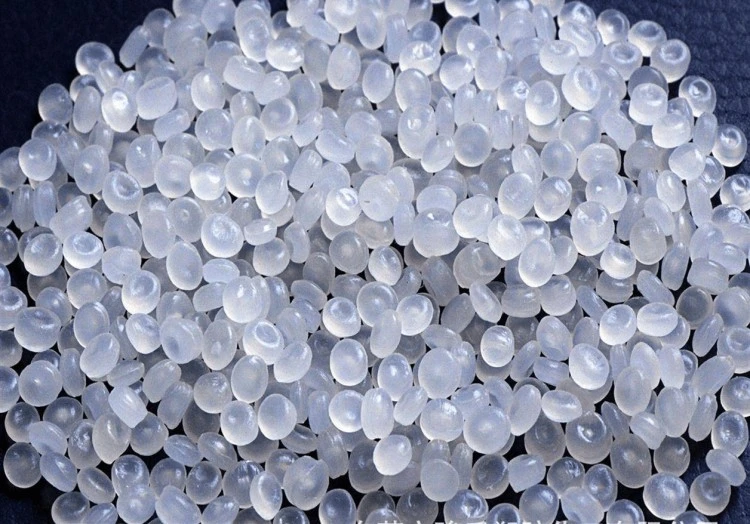
Polycarbonate (PC)
PC is extremely tough, rigid, and transparent. It is the material of choice for premium chiavari chair, plastic rocking chair, and high-end plastic outdoor chair that needs vandal resistance. PC also works well for white plastic chair due to its clarity and color stability.
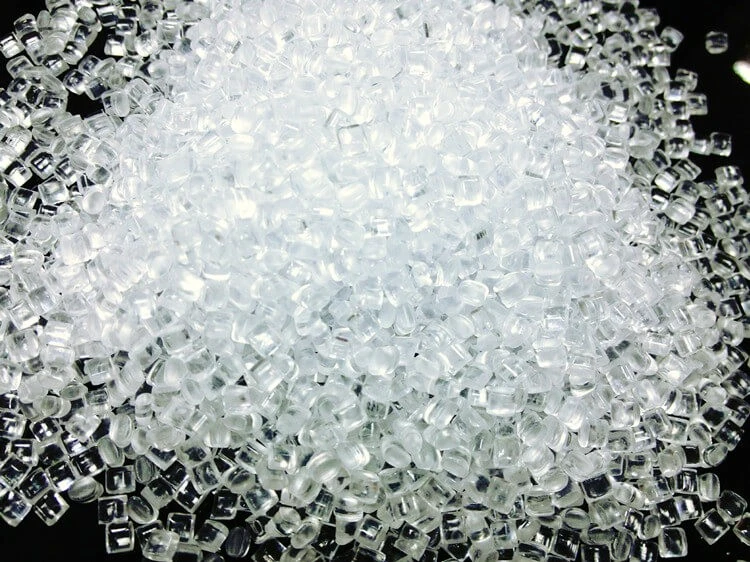
ABS
ABS offers high rigidity and good impact strength. It is widely used for plastic folding chair, plastic rattan chair (as the rigid frame), and public seating such as stadium chairs. Rattan design plastic chair often uses ABS for its excellent dimensional stability and smooth surface.
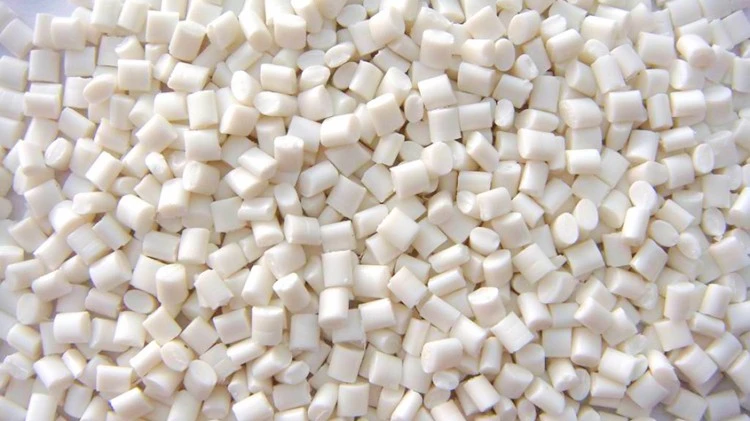
High-Density Polyethylene (HDPE)
HDPE provides outstanding chemical resistance and low-temperature performance. It is the best choice for plastic lawn chair, outdoor plastic chair, plastic outdoor rocking chair, and plastic rattan chair intended for all-weather use. Plastic rattan chair price can be optimized by using HDPE for durability.
How to Choose the Right Material for Your Chair
The decision should be based on three key factors: application environment, mechanical requirements, and cost targets.
- Indoor vs. outdoor use
- Load-bearing and durability needs
- Cost and sustainability balance
Indoor vs. outdoor use
Outdoor chairs like plastic lawn chair and plastic outdoor rocking chair must resist UV and moisture. HDPE is the highest-performing outdoor material. PC also offers excellent UV stability for premium outdoor plastic chair. PP works for general outdoor use but may degrade faster. ABS is suitable for indoor dining chair in plastic or childs plastic chair unless UV-stabilized.
Load-bearing and durability needs
Heavy-duty seating such as plastic stacker chair in public venues or plastic folding chair for events requires good impact strength. HDPE and PC are top choices. For plastic rocking chair and chiavari chair, PC or ABS provides the necessary rigidity and toughness.
Cost and sustainability balance
PP is the most affordable option. For buyers concerned about plastic chair making machine price and material cost, PP offers the best value. Using recycled PP or HDPE can reduce environmental impact by up to 39%. A good plastic chair injection molding machine will handle recycled materials efficiently.
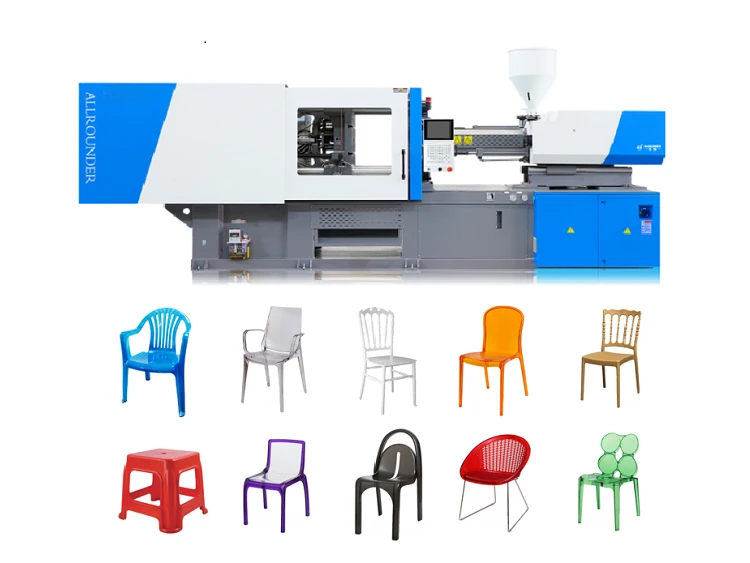
Application Examples from Haichen Machinery
As an experienced manufacturer of plastic chair injection molding machine, plastic chair making machine, and plastic chair injection molding solutions, Haichen Machinery has successfully processed various materials across different seating applications. Below are real production cases demonstrating material-machine compatibility. We also offer competitive plastic chair making machine price without compromising quality.
- PC armchair with armrests
- PP stacking chair without armrests
- ABS stadium seat
- PE bus seat (HDPE)
| Chair Type | picture | Material | Product / Mold Size | Recommended Model | Mold Material | Runner Type | Key Features |
| PP stacking chair (without armrests) |
 |
PP | 556×543×800 mm | HCK700 | P20 | Cold runner | Standard PP chair; 700T offers efficient and economical production |
| PE bus seat |
 |
HDPE | 400×380×390 mm | HCK530 | P20 | Hot runner | Moderate product size; 530T fully meets requirements with better cost‑effectiveness |
| ABS stadium seat |
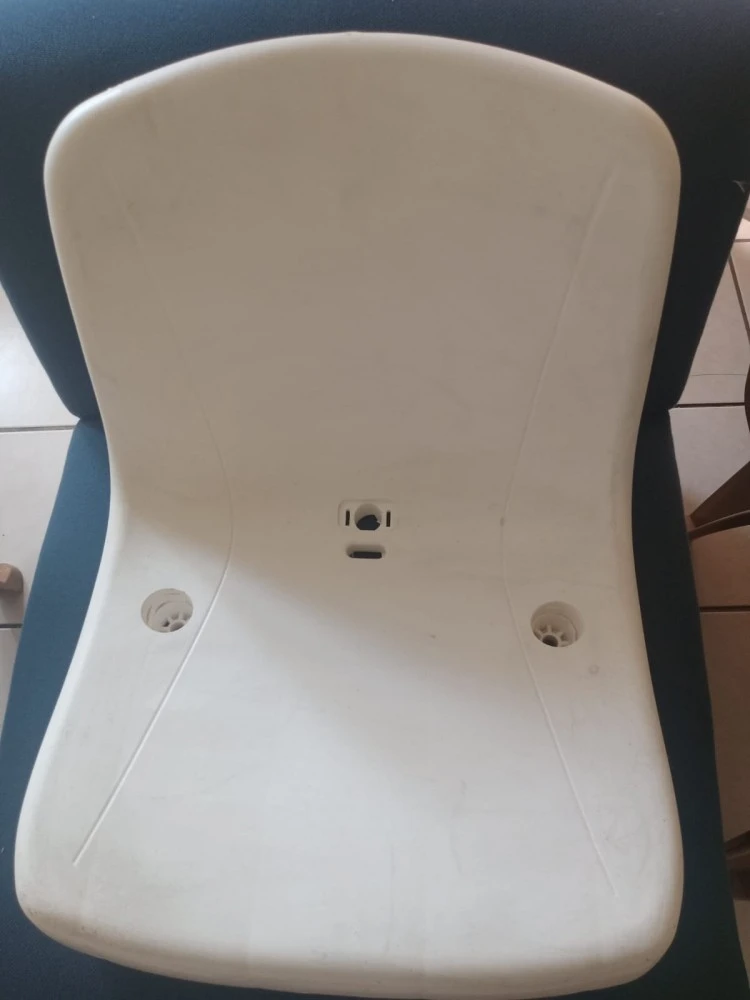 |
ABS | Mold: 650×650×750 mm | HCK700 | 718+45 | Cold runner | Larger mold size; 700T ensures stable clamping and sufficient platen space |
| PC armchair with armrests |
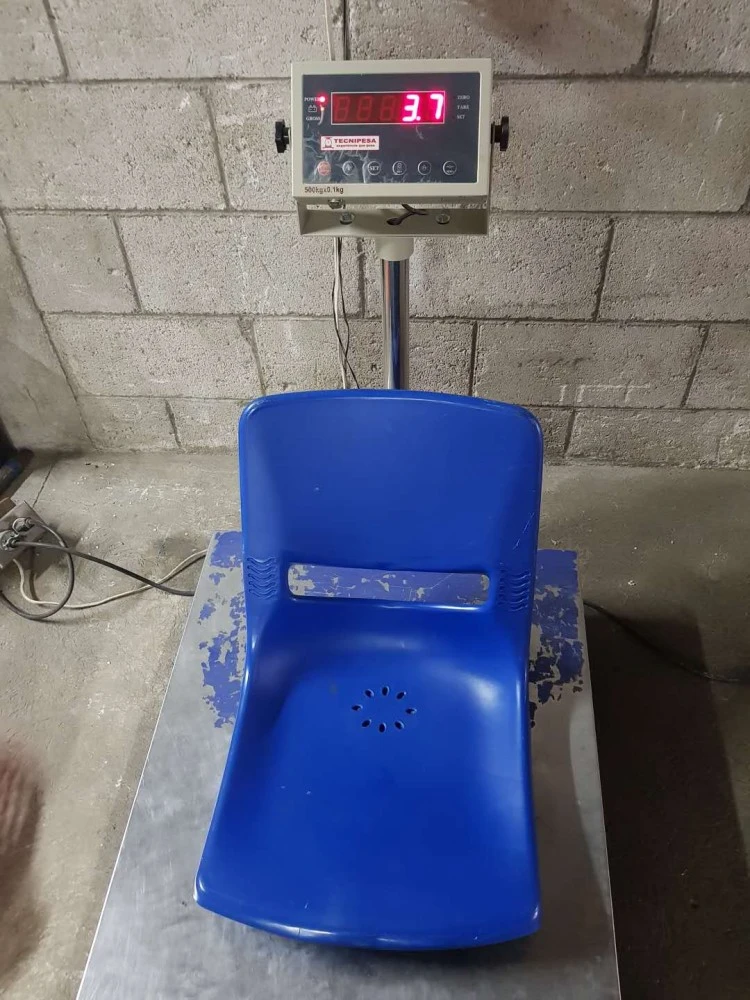 |
PC | Mold: 1200×850×850 mm | HCK1000 | 2738 steel | Cold runner | PC requires high injection pressure and clamping force; the huge 6.5‑ton mold demands 1000T for quality parts |
The choice of material for plastic chair manufacturing depends on the target application, performance requirements, and cost considerations.
PP works for plastic stacker chair and dining chair in plastic;
PC and ABS are ideal for plastic rocking chair, chiavari chair, and plastic folding chair;
HDPE excels for plastic lawn chair, plastic outdoor chair, plastic outdoor rocking chair, and plastic rattan chair.
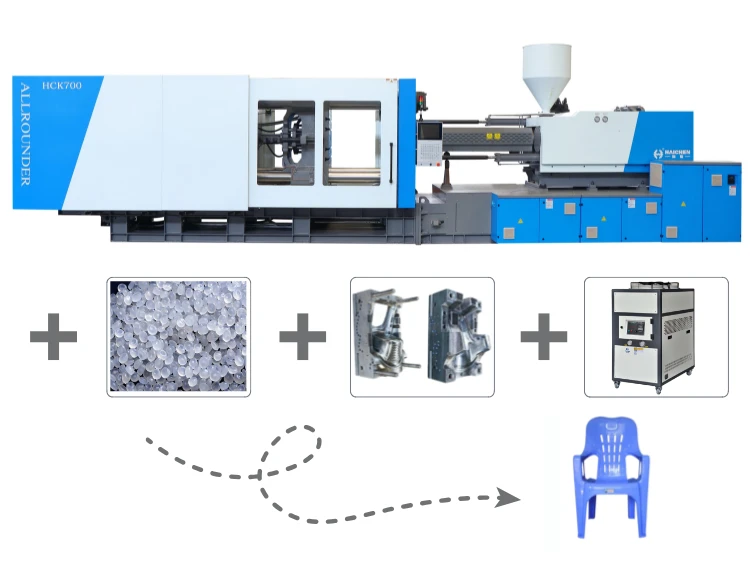
However, material selection alone is not enough. From Haichen‘s perspective, the plastic chair injection molding machine’s ability to precisely process each material is equally critical.
Our customers benefit from optimized screw designs for each material, ensuring high output and low defect rates.
FAQ
1. Which plastic material is most cost‑effective for chair production?
PP is the most affordable option, offering a good balance of strength and flexibility, especially when using recycled grades.
2. What material works best for outdoor chairs exposed to sunlight and moisture?
HDPE is the top choice for all‑weather durability, while PC suits premium designs; ABS requires UV stabilizers for outdoor use.
3. Can I use recycled plastics in my manufacturing process?
Yes, recycled PP and HDPE are commonly used and can reduce environmental impact, though you may need to adjust machine parameters for consistent quality.
4. How do I choose the right injection molding machine for different materials?
Match the machine’s clamp force and screw design to the material – PC needs high pressure and a special screw, whereas PP and HDPE require lower specifications.


