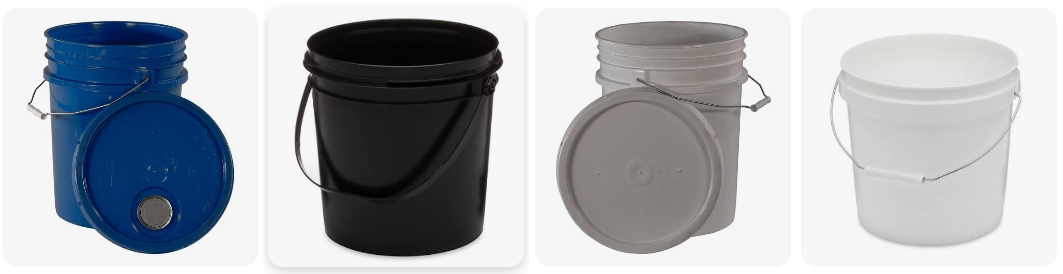
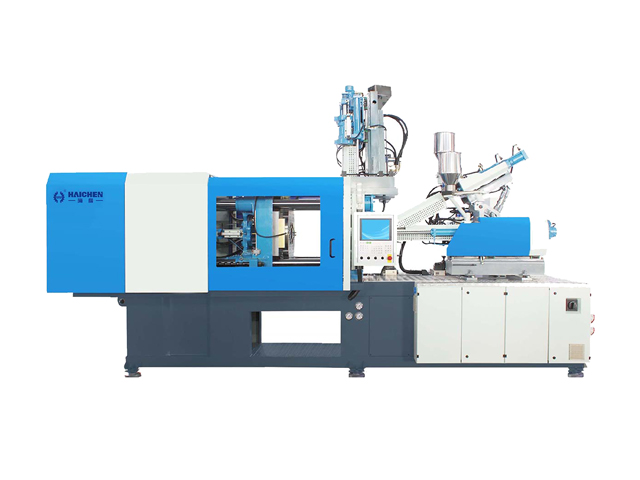
Main Raw Materials Used for Injection plastic bucket Manufacturing is PP and HDPE.
Plastic buckets are common in daily life and industry. They use different plastic materials, and each material has its own advantages.
Above all, the main plastic bucket materials are easy to process and durable, which makes plastic buckets practical for many uses.
Plastic bucket materials form the core foundation of injection molding. Accordingly, their performance directly determines the injection molding process parameters, production efficiency, and final product quality.
In addition, common thermoplastic materials have the characteristics of being fusible and malleable.
Hence, they flow easily when heated and can be stably molded after cooling, perfectly adapting to the injection molding process.
The fluidity, melting point, crystallinity and toughness of the material affect every stage of injection molding. To begin with, among all these factors, the melting point plays a vital role. Specifically, the melting point determines the melting energy consumption and temperature setting.
The fluidity, melting point, crystallinity and toughness of the material affect every stage of injection molding. To begin with, among all these factors, the melting point plays a vital role. Specifically, the melting point determines the melting energy consumption and temperature setting.
Then, the fluidity relates to the injection pressure and filling speed. Finally, the crystallinity and toughness influence the cooling cycle, demolding difficulty and the durability of the finished product.
Injection molding requires matching the mold, temperature, pressure and cooling rhythm according to the material properties to ensure the product’s accuracy, strength and stability.
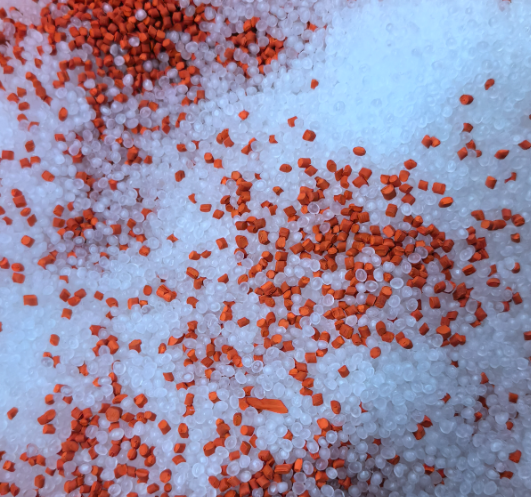
PP
PP is the most common material for plastic buckets. It is light and tough, so it can bear moderate weight without breaking.
Additionally, PP is heat-resistant, which means it can be used for holding hot water or warm items. It is also easy to clean, making it suitable for daily use at home.
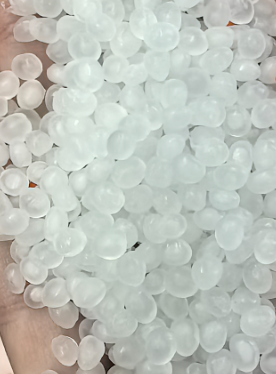
HDPE
HDPE is another popular material for plastic buckets. It is very strong and resistant to impact, so it can handle heavy loads or rough use.
Moreover, HDPE is waterproof and chemical-resistant, which makes it good for storing chemicals or liquids like oil and water.
Comparison of PP/HDPE
| Performance Category | Parameter Name | Unit | PP (Polypropylene) | HDPE (High Density Polyethylene) |
| Basic Information | Chemical Name | Polypropylene | High Density Polyethylene | |
| Plastic Recycling Code | No.5 | No.2 | ||
| Density | g/cm³ | 0.90-0.91 | 0.94-0.976 | |
| Mechanical Properties | Tensile Strength | MPa | 30-40 | 21-38 |
| Elongation at Break | % | 15-25 | 50-100 | |
| Flexural Modulus | GPa | 1.5-2.0 | 0.8-1.5 | |
| Notched Izod Impact Strength | J/cm | 2-5 | 5-10 | |
| Hardness | Shore D | 60-70 | 50-60 | |
| Thermal Properties | Melting Point | ℃ | 160-170 | 120-160 |
| Heat Deflection Temperature (1.8MPa) | ℃ | 90-110 | 75-85 | |
| Long-term Service Temperature Range | ℃ | -20~130 | -40~100 | |
| Glass Transition Temperature | ℃ | -10~0 | -120~-100 | |
| Physical Properties | Water Absorption | % | <0.05 | <0.01 |
| Light Transmittance | Translucent, up to 90% for transparent grade | Translucent to Opaque | ||
| Water Vapor Transmission Rate | Medium | Low | ||
| Oxygen Transmission Rate | Medium | High | ||
| Chemical Properties | Acid Resistance | Excellent | Excellent | |
| Alkali Resistance | Excellent | Excellent | ||
| Solvent Resistance | Good (except strong solvents) | Good | ||
| Oil Resistance | Excellent | Good | ||
| Environmental Protection & Safety | Food Contact Safety | Meets FDA standards, microwaveable | Meets FDA standards | |
| Recyclability | Fully recyclable | Fully recyclable | ||
| UV Resistance | Poor, stabilizer required | Medium | ||
| Typical Applications | Core Application Scenarios | Food containers, water cups, milk bottles, home appliance shells, auto parts, packaging films | Milk bottles, laundry detergent bottles, chemical pipes, trash cans, toys, heavy-duty packaging films |
PP Plastic Buckets
- Heat safe & chemical safe
- Clear & Long Lasting
Heat safe & chemical safe
First of all, PP (Polypropylene) serves as the sole optimal choice for plastic buckets requiring high heat resistance and chemical inertness.
PP features a high heat deflection temperature that withstands continuous high-temperature filling and heating environments. Specifically, it tolerates working temperatures up to 120°C without deformation or structural damage.
Meanwhile, PP delivers outstanding resistance to strong acids, alkalis and corrosive chemical solutions.
For this reason, manufacturers must adopt PP raw materials for hot-fill food buckets, high-temperature disinfection storage buckets and industrial chemical holding buckets.
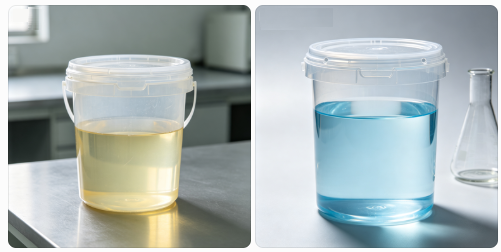
Clear & Long Lasting
In addition, PP supports transparent and translucent molding effects. This unique trait enables real-time visual inspection of internal contents, which no HDPE bucket can achieve.
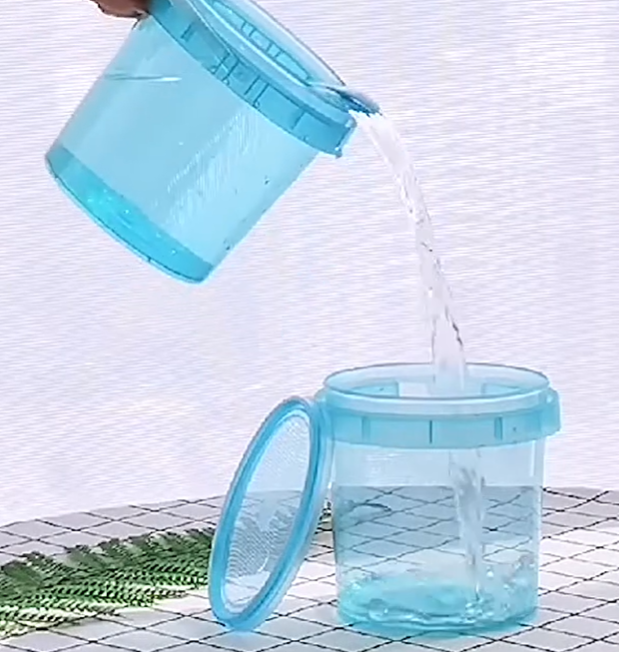
Moreover, PP boasts excellent fatigue resistance for repeated opening and closing operations.
Hence, reusable food-grade buckets and pharmaceutical storage buckets exclusively depend on PP raw materials for stable long-term performance.
HDPE Plastic Buckets
- Cold-proof & Sun-proof
- Water tight & Shock strong
Cold-proof & Sun-proof
In contrast, HDPE (High-Density Polyethylene) dominates low-temperature, outdoor and heavy-duty load-bearing plastic bucket production scenarios.
HDPE owns superior low-temperature toughness that avoids brittleness and cracking under minus 40°C extreme cold conditions.
This performance makes HDPE irreplaceable for outdoor construction buckets, winter storage buckets and cold-chain logistics packaging buckets.
Besides, HDPE integrates high rigidity, strong impact resistance and excellent UV aging resistance.
It resists long-term outdoor sunlight exposure, wind and rain erosion without performance attenuation. Consequently, outdoor agricultural buckets, industrial heavy-load stacking buckets and long-term outdoor storage buckets only use HDPE raw materials to guarantee durability.
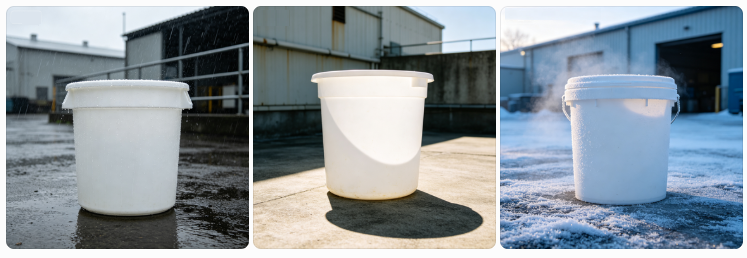
Water tight & Shock strong
Additionally, HDPE possesses low moisture permeability and stable physical toughness. It maintains intact structural stability during frequent stacking, transportation and collision.
Thus, daily water storage buckets, fertilizer packaging buckets and bulk logistics buckets rely entirely on HDPE’s exclusive physical properties.