
Plastic bowl injection molding machine problems — flash, short shots, and sticking — are the most common causes of scrap and downtime in bowl production. This guide provides practical, step-by-step troubleshooting methods based on real production data from large-scale plastic bowl manufacturing.
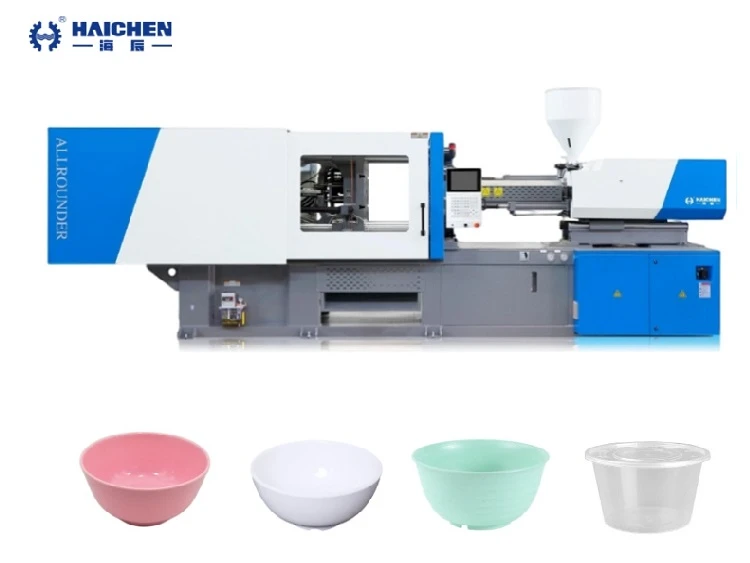
This guide covers the most common plastic bowl injection molding machine problems — flash, short shot, and sticking — with step-by-step troubleshooting procedures and Haichen’s design advantages that prevent these issues.
Common Defects And Causes
Plastic bowl production defects typically fall into three categories:
- Flash – excess material along the bowl edge
- Short shot – incomplete filling of the bowl cavity
- Sticking – bowl cannot be ejected from the mold
Flash from Low Clamping
Flash appears as thin, excess plastic along the parting line of the bowl. It is the most visible defect and often the easiest to diagnose.
What causes flash:
- Clamping force is too low for the projected area of the bowl
- Mold parting surfaces are worn or damaged
- Injection pressure exceeds the clamping force capacity
- Tie bars are unevenly stretched
For plastic bowl production, a round plastic bowl with a large diameter creates significant cavity pressure during injection. If the injection molding machine cannot provide enough clamping force, the mold opens slightly and plastic escapes. This is especially common for large plastic bowls or big plastic bowls with thin walls.
Quick check: Calculate the required clamping force based on the projected area of the bowl. If the machine’s rating is close to the requirement, flash will be a persistent problem.
Short Shot from Low Pressure or Nozzle
A short shot occurs when the mold cavity does not completely fill with plastic. The resulting bowl is missing material in certain areas, making it unusable.
What causes short shot:
- Injection pressure is too low
- Nozzle temperature is too low, causing premature freeze-off
- Nozzle orifice is partially blocked
- Material viscosity is too high
- Injection speed is too slow
For plastic bowl production, plastic bowls with complex shapes or thin sections require proper flow. If the nozzle is not clean or the temperature is incorrectly set, the molten plastic may freeze before filling the cavity.
Quick check: Check nozzle temperature and clean the nozzle orifice. If the material is not flowing smoothly, increase the nozzle temperature in 5°C increments until flow is consistent.
Sticking from Eject Error or Worn Pins
Sticking occurs when the finished plastic bowl cannot be ejected from the mold. The bowl remains attached to the core or cavity, stopping production.
What causes sticking:
- Ejector pins are worn or broken
- Ejector stroke is insufficient to push the bowl free
- Mold release is inadequate
- Bowl wall thickness is excessive, causing high shrinkage adhesion
- Ejector pins are not properly lubricated
For plastic bowl production, white plastic bowls and black plastic bowls often have smooth, glossy surfaces that can create a strong adhesion to the mold. If the ejector system is not working properly, the bowls stick and production stops.
Quick check: Inspect ejector pins for wear and verify ejector stroke. If pins are worn, replace them. If stroke is too short, adjust the ejector limit switch.
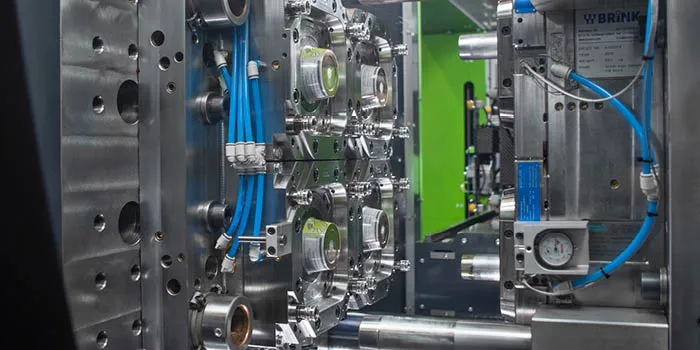
Step By Step Check
Use this systematic approach to diagnose and resolve plastic bowl defects:
Check Defect to Find Cause
Each defect points to a specific area of the injection molding machine.
| Defect | Primary Check | Secondary Check |
|---|---|---|
| Flash | Clamping force | Mold condition |
| Short shot | Nozzle temperature | Injection pressure |
| Sticking | Ejector pins | Mold release |
| Sink marks | Packing pressure | Cooling time |
| Warpage | Cooling uniformity | Ejector balance |
For plastic bowl production, if you see flash on a big plastic bowl, start with clamping force. If you see short shot on a small plastic bowls, start with the nozzle. If you see sticking on a large plastic bowl, start with the ejectors.
Adjust Clamp Speed and Stroke
Clamping speed and stroke directly affect mold protection and cycle time.
Check clamping speed:
- Slow speed at mold touch prevents impact damage
- High speed during approach reduces cycle time
- Multi-stage speed control provides optimal performance
Check clamping stroke:
- Minimum stroke reduces cycle time
- Sufficient stroke is need for bowl removal
- Stroke should be adjusted for each mold change
Adjustment steps:
- Set slow speed for the final 50mm of closing
- Adjust stroke to 1.5x the bowl height plus safety margin
- Use timer to prevent mold damage from metal-to-metal contact
Check Parting, Nozzle, Oil, and Cleanliness
Cleanliness and maintenance prevent many common plastic bowl defects.
Parting line check:
- Clean parting surfaces with a soft cloth
- Remove any dried plastic residue
- Check for nicks or damage that cause flash
Nozzle check:
- Clean nozzle tip after each material change
- Check nozzle temperature setting
- Verify nozzle orifice is clear
Oil and hydraulic check:
- Check hydraulic oil level
- Inspect oil filters for contamination
- Check for leaks in the hydraulic system
When producing red plastic bowls, color changes require extra attention to cleanliness. Residual color from the previous run can contaminate the new batch. Flush the barrel and clean the nozzle thoroughly before changing colors.
Fault Quick Diagnosis Table
| Symptom | Primary Check | Secondary Check | Most Likely Cause |
|---|---|---|---|
| Flash on bowl edge | Clamping force | Mold parting line | Insufficient clamping or worn mold |
| Incomplete filling (short shot) | Nozzle temperature | Injection pressure | Low pressure or blocked nozzle |
| Bowl sticks in mold | Ejector pins | Mold release agent | Worn pins or inadequate release |
| Sink marks on surface | Packing pressure | Cooling time | Insufficient packing or long cooling |
| Warped bowl | Cooling uniformity | Ejector balance | Uneven cooling or unbalanced ejection |
Equipment Selection Reference
Plastic bowl production requires reliable equipment that prevents flash, short shots, and sticking defects. For the injection molding machine buyer, these issues are not just quality problems — they are lost production time and wasted material.
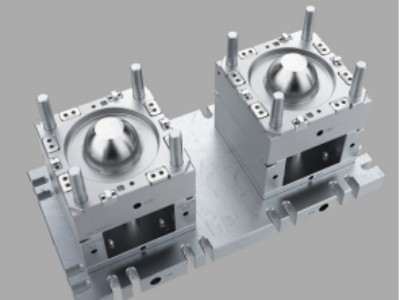
For manufacturers planning equipment upgrades, Haichen’s HCK 180 servo injection molding machine offers features that directly address the three most common bowl defects:
- Stable clamping: Box-type high-rigidity structure with ±1% clamping force accuracy prevents flash across all cavities
- Precise injection: High-precision position transducers and multi-stage speed profiles eliminate short shots and dimensional variation
- Flexible ejection: Adjustable stroke and force with multiple pin configurations handles various bowl designs and depths
The production case below shows a 38g, 4-cavity plastic bowl mold running on the HCK 180 with stable clamping, precise injection, and clean ejection.
| Parameter | Detail |
|---|---|
| Product | Plastic bowl |
| Dimensions | 112.98 × 65.5 mm |
| Part weight | 38g |
| Cavity | 4 cavities |
| Mold material | 718 steel |
| Runner type | Hot runner |
| Mold size | 440 × 440 × 390 mm |
| Machine model | Haichen HCK 180 |
For plastic bowl production, consider:
- Clamping force matched to projected area
- Injection precision for consistent shot size across multiple cavities
- Ejection flexibility for various bowl designs
- Total cost of ownership, not just machine price
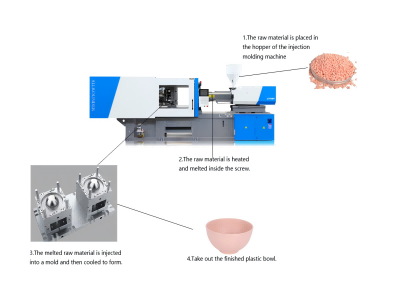
Frequently Asked Questions
Q: How do I fix flash on plastic bowls?
A: Check clamping force against the bowl’s projected area. If force is adequate, inspect the parting line for damage and clean any plastic residue.
Q: How do I fix sticking in plastic bowl molds?
A: Check ejector pins for wear, verify ejector stroke is sufficient, and ensure proper mold release application. For deep bowls, consider using air blow assist to help release the part.
Q: What makes Haichen machines suitable for plastic bowl production?
A: Haichen machines feature stable clamping with even force distribution (±1% accuracy), precise injection for consistent shot weight across multiple cavities, and flexible ejection systems that adapt to various bowl designs — all demonstrated in real production cases like the 38g 4-cavity bowl mold running on the HCK 180.


