
Your Sourcing Risk Starts Before the First Quote.
Many buyers lose time and money before production begins. A low machine price looks attractive. But unclear specifications, weak after-sales support, unstable quality control, and limited export experience can turn an order into delays, breakdowns, and production losses. The solution is to evaluate the Manufacturer as carefully as the machine itself.
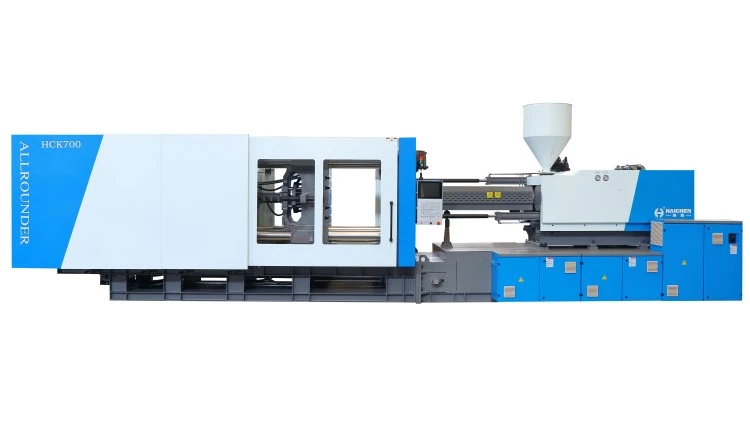
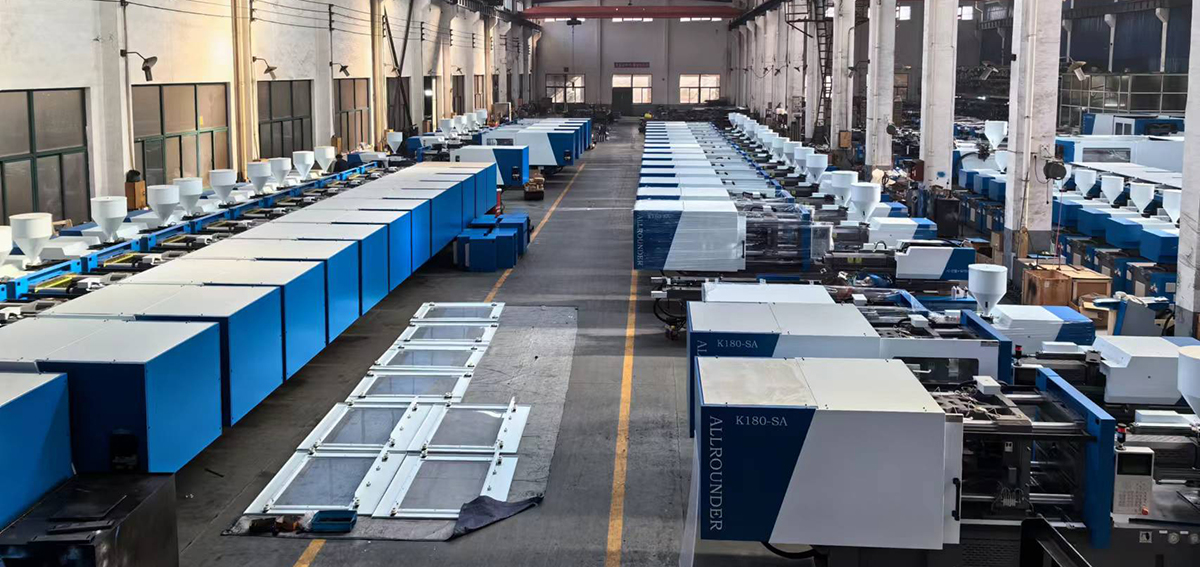
A reliable injection molding machine Manufacturer must have an in-house design team, in-house parts production capacity, a stable ISO quality control system, solid export experience, complete after-sales service, and OEM/ODM capabilities. Haichen has over 20 years of experience in injection molding machine production. We handle independent R&D and design. Our quality control system covers every stage, from parts production to assembly, testing, and inspection. This gives us full control over machine quality. Our sales and after-sales teams help buyers turn production needs into reliable machines through machine selection, mold testing, layout planning, installation guidance, and pre-shipment inspection.
We will now share insider selection criteria that most importers learn only after costly mistakes. These proven guidelines come from 20+ years of handling cross-border machinery procurement and risk management.
Verify Factory Qualifications Before Discussing Price
Price matters, but it should not be your first filter. Injection molding machines are heavy and complex. They are sensitive to operating conditions. A Supplier that only assembles basic machines may not understand clamp force calculation, screw design, hydraulic system matching, or energy optimization.
Serious buyers should verify these points:
- Does the factory have R&D and design capabilities?
- Does it have actual experience exporting injection molding machines?
- Does it produce its own key components, such as machined platen assemblies and tie bars?
- Is the control panel available in the local language? (Haichen offers 21 languages.)
- Can it adapt to different production processes? Different materials and part designs affect machine selection.
- Can it communicate clearly during technical discussions, quoting, production, and shipping?
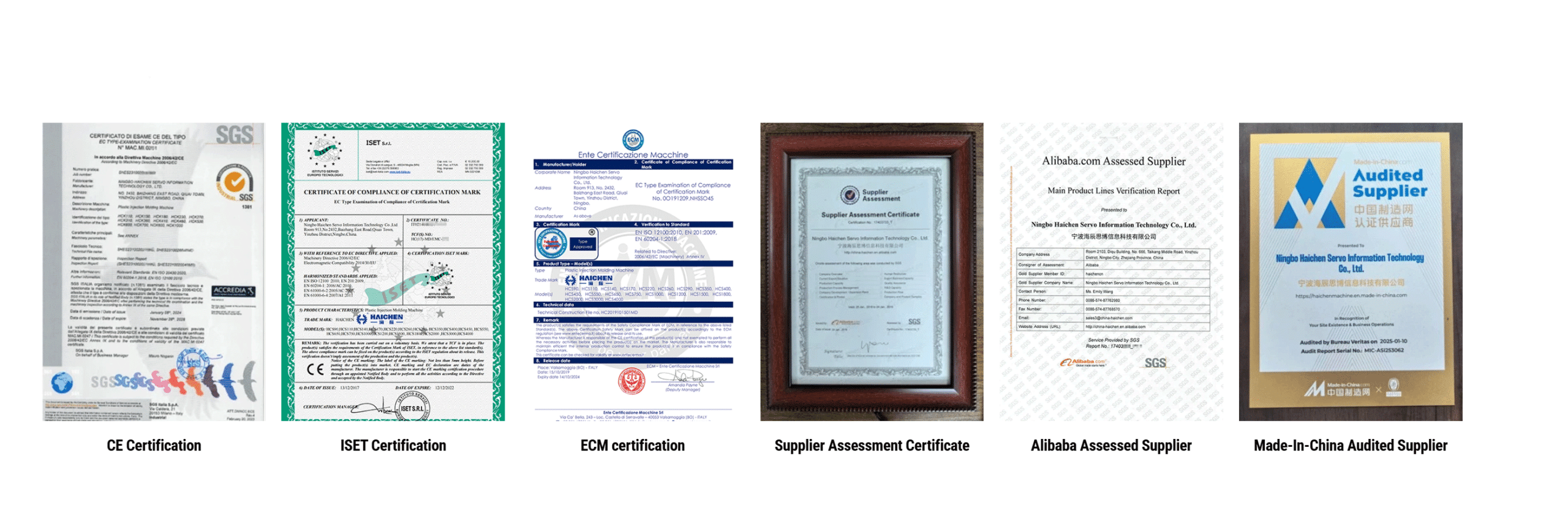
- Does it hold the necessary safety certifications? (Haichen provides CE, ISO, ECM, and other country-specific certificates.)
A good factory will ask detailed questions before quoting. It will want to know your target output, part size, material type, mold dimensions, automation needs, and import documentation requirements. If a factory quotes immediately without clarifying these points, you may get a price, but not a reliable solution.
Evaluate R&D Capability Through Machine Selection
The selection process reveals how a Manufacturer thinks. For injection molding machines, a specification is more than a technical document. It tests engineering depth, production understanding, and problem-solving ability.
Questions that reveal factory capability:
- Can the Supplier recommend the right clamp force and injection capacity for your specific parts?
- Can it explain the differences between hydraulic, servo, and all-electric drive systems?
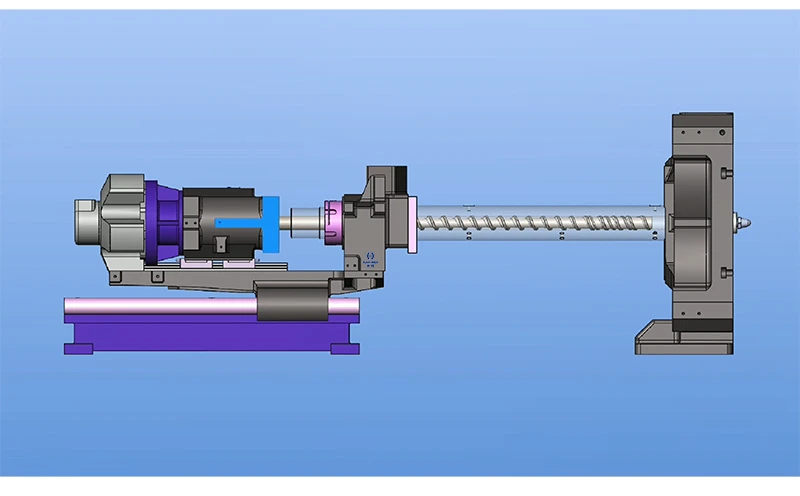
- Can it offer customizable injection units instead of forcing standard configurations?
- Can it adjust the screw design for different materials like PET, PC, or PVC?
- Can it integrate complete production lines with auxiliary equipment?
- Can it support mold trials, operator training, and installation supervision?
The best machine selection starts with your actual parts and molds. This process reflects the Manufacturer’s technical development capability and production experience. The Manufacturer should analyze your mold size, shot weight, plastic material, cycle time, and automation level. Matching only basic tonnage cannot predict actual production performance.
Review Quality Control in Machine Production
Injection molding machine quality depends on many details. A few grams of casting porosity may seem unimportant. But weak castings can cause platen cracking under high clamp force. Poor hydraulic integration can lead to oil leaks and pressure loss. Low-quality electrical components can fail during continuous production.
| Quality Item | What to Ask | Why It Matters |
| Casting integrity | Material grade and inspection method | Prevents platen cracking and safety risks |
| Hydraulic system | Component brand and leak test results | Reduces downtime and oil loss |
| Electrical safety | Wiring standards and component certification | Prevents short circuits and fire hazards |
| Precision control | Temperature and pressure accuracy | Ensures stable part dimensions |
| Machine alignment | Leveling and parallelism data | Protects mold and platen life |
Buyers should also ask how the factory handles defects. A mature Supplier will have incoming material inspection, in-process inspection, final inspection, and corrective action procedures. These systems reduce risk from specification approval to machine delivery.
Confirm Export Experience and Market Knowledge
Buyers in the US, Europe, Latin America, and other markets often need more than machine specifications. They need safety certifications and quality documents.
Common certification requirements by market:
North America: CSA/UL certification
Europe: CE certification
Saudi Arabia: SABER certification for parts import
Turkey: ECM safety certification required from January 2026
An experienced export Manufacturer should help buyers prepare documentation in a practical way. It should understand that shipping injection molding machines requires proper packaging, container loading planning, customs documents, and installation support. Large machines often need disassembly before shipping. The Manufacturer should provide clear assembly instructions. Haichen designs large machines with quick-connect features for mechanical parts, electrical circuits, and oil pipes. When customers receive the machine, they only need to connect mechanical parts, plug in quick-connect electrical interfaces (no complex wiring), and attach three main oil pipes.
Each machine should come with a clear operation manual, spare parts list, and troubleshooting guide.
Use a Clear Sourcing Scorecard
A sourcing scorecard helps buyers compare factories without focusing only on the lowest price. It also makes internal purchasing decisions easier for brand owners, importers, and production managers.
| Evaluation Area | Strong Supplier Signal | Risk Signal |
| Communication | Asks detailed questions and confirms specs | Sends only price and catalog |
| R&D capability | Offers detailed options and customization | Offers only standard models |
| Quality control | Has parts production system and post-assembly inspection | No parts production or QC process |
| Service capability | Provides installation, training, and spare parts | Offers only basic warranty |
| Export readiness | Understands target market requirements and certifications | Ignores certification and compliance |
The right partner reduces uncertainty. It helps you turn a production idea into a reliable line that you can install, operate, and maintain with confidence.
Turn Supplier Selection into a Stronger Production Launch
A reliable injection molding machine Manufacturer is more than a production site. It is a long-term partner. Before placing an order, send your part drawings, mold details, material type, and expected output to Haichen for a practical OEM or ODM sourcing discussion.


